Emergency refrigeration rentals. Open 24/7.

(888) 385-5513

HHrefrigeration

Colorado Refrigeration Trailer Rentals

Rental refrigeration is available throughout Colorado. When a walk-in cooler or freezer fails, our refrigerated trailer and container rentals put cold storage on your site, along with mobile kitchens and dishwashing trailers if the kitchen is down too. We list pages for Denver, Colorado Springs, Aurora, and Fort Collins and 16 more Colorado cities and towns, and service is nationwide, so a site anywhere in the state is covered. Hospitals, schools, restaurants, grocers, and distributors rent from us, short term or long term. Call 24/7 or request availability and a quote.

Call 24/7: (888) 385-5513

Colorado cities and towns

20 pages: the 5 largest cities, then 15 smaller towns under 10,000 people. Each page has local delivery planning, emergency support, requirements, and routes.

Cities

Largest cities

Smaller cities and towns

What drives cold-storage demand in Colorado

The Front Range averages roughly 55F mornings and 90F afternoons in July and 18F mornings and 48F afternoons in January, with Chinook winds that can briefly warm winter days. Eastern Plains summers often top 95F, while mountain areas get heavy winter snow. Hail is the most commonly reported warm-season severe weather hazard east of the Divide.

The hottest stretch runs june to August. The coldest runs december to February. Both extremes strain commercial refrigeration, and both bring calls for emergency cold storage.

Resorts, lodges, hospitals, and event operators rely on short-term refrigeration for busy seasons and breakdowns.

Weather and hazards

  • Wildfire (June to October; also winter wind events): The 2020 Pine Gulch, Cameron Peak and East Troublesome fires were the three largest in state history, and the December 2021 Marshall Fire destroyed an estimated 1,084 structures and forced about 37,500 people to evacuate. Fires, evacuations and smoke can close restaurants and cut power, which can create demand for emergency cold storage and temporary kitchens. Source
  • Flood (spring snowmelt; summer storms; September 2013): The September 2013 floods affected 17 counties and damaged nearly 19,000 homes. US 34 and US 36 into Estes Park were severely damaged and Big Thompson Canyon roads were destroyed. Flooding can isolate towns, cut supply routes and take out kitchens and cold rooms for weeks. Source
  • Other (April to September): Hail: Denver ranks 10th among U.S. places of 50,000 or more for hail and has had three of the ten costliest U.S. hailstorms (1990, 2009, 2017). Hail can damage rooftop refrigeration units and cause outages, so businesses often need replacement cold storage. Source
  • Winter storm (October to April (March is the snowiest month in much of the state)): Mountain areas receive heavy snow, Denver averages about 53 inches a season, and I-70 passes top 10,000 feet at Vail Pass and 11,000 feet at the Eisenhower Tunnel. Snow closures can delay refrigerated deliveries and cause outages in mountain resort towns. Source
  • Drought (year-round; peaks in summer): Drought is common on the Eastern Plains and a main agricultural risk; drought and low precipitation also make wildfires more severe. Drought-fueled fire risk can lead to evacuations, closures and power disruptions that affect food storage. Source

Power outages

  • The December 2021 Marshall Fire, driven by gusts up to 115 mph, was attributed to two causes including a sparking Xcel Energy power line; Xcel faced nearly 300 lawsuits as of early 2024. Wind-driven wildfire events show how storms and grid failures can combine to disrupt Front Range businesses. Source
  • Xcel's Colorado Power Pathway, approved in 2022, provides $1.7 billion for eastern Colorado transmission, and a 2026 large-load tariff proposal cited 56 data centers in the state. Growing grid demand is part of why backup refrigeration can matter for businesses that cannot afford a shutdown. Source

Food and hospitality

  • Agriculture supports a roughly $47 billion Colorado economy, with about 659,000 cows and hay, corn and wheat as the top crops by sales. Beef, dairy and produce handlers rely on refrigerated storage and may need extra capacity at peak times. Source
  • Weld County is described as the richest agricultural county east of the Rockies and is Colorado's leading cattle, grain and sugar beet producer, with close to half the state's dairy cattle. Meat and dairy operations in northern Colorado can need temporary cold storage during surges or equipment failures. Source
  • The San Luis Valley grows potatoes and barley, and its barley is described as the main supplier for Coors beer. Harvest-season storage and shipping of potatoes and barley can create seasonal cold-storage demand. Source
  • Rocky Ford in the Arkansas Valley is noted for watermelon, cantaloupe and agriculture. Summer melon harvest and packing can need refrigerated trailers. Source
  • Rocky Mountain National Park recorded 4.4 million visits in 2021, with most visitors using Estes Park as a base. Tourism peaks in mountain gateway towns can push restaurants and lodges to need extra cold storage and temporary kitchens. Source

Rules, agencies, and roads in Colorado

We rent to commercial and industrial customers only. Before you place temporary refrigeration or a temporary kitchen in Colorado, check local rules. The state agency to start with is Colorado Department of Public Health and Environment. For emergency information, see Colorado Division of Homeland Security and Emergency Management.

  • CDC guidance says a closed refrigerator keeps food safe for up to 4 hours without power and a full freezer for about 48 hours; after that, perishables such as meat, fish, eggs and milk should be discarded. The 4-hour window is why operators often need replacement refrigeration quickly after a power loss; confirm Colorado retail food rules with the local public health agency. Source

Main roads

  • I-70: Runs about 450 miles across Colorado; the Eisenhower Tunnel reaches 11,158 ft and Vail Pass about 10,660 ft. Glenwood Canyon was closed in 2021 after fire debris and landslide damage.
  • I-25: Runs about 299 miles from the New Mexico line near Trinidad through Pueblo, Colorado Springs, Denver and Fort Collins.
  • US-50: Crosses Colorado (about 468 miles) from Grand Junction through Delta, Gunnison, Monarch Pass (11,312 ft), Salida, Pueblo, La Junta and Lamar to Kansas.
  • I-76: Serves northeastern Colorado; Brush is on I-76, about 93 miles from Denver.
  • US-34/US-36: US 34 and US 36 are the main routes into Estes Park from the Front Range; both were severely damaged in the 2013 floods.
  • SH-82: The only major road to Aspen; the Independence Pass segment is typically closed from late October to Memorial Day.
  • US-160/US-285: US-160 and US-285 meet in Alamosa; US-160 also serves Cortez.

Events that raise demand

  • National Western Stock Show (January): Held every January since 1906 at the National Western Complex in Denver; it is described as the world's largest stock show by number of animals. Large livestock and food vendor crowds in Denver can create temporary kitchen and cold-storage demand.
  • Colorado State Fair (late August to early September): Held annually in Pueblo; recent editions run about 11 days starting in late August. Fair food vendors and exhibitors can need temporary cold storage and warewashing.
  • Great American Beer Festival (late September or early October): Held in Denver, with about 40,000 attendees in 2022 to 2024 and 273 breweries pouring at the 2024 festival. Beer and food festivals require cold storage for kegs and food vendors.
  • Winter X Games Aspen (winter): The Winter X Games have been held at Buttermilk near Aspen since 2002. Winter event crowds in a single-road mountain town can strain food service and cold storage.
  • Sundance Film Festival in Boulder (January starting 2027): Sundance announced it will leave Park City, Utah, and relocate to Boulder, Colorado, starting in 2027. A major film festival can create temporary catering and cold-storage needs in the Boulder area.

Refrigeration equipment to rent in Colorado

Each card shows the lowest printed price. Open a unit for the full price row.

Equipment

12 ft Refrigerated Trailer

Starting from $1,895 / month

The smallest trailer in the lineup. It fits tight lots and loading areas when a small walk-in cooler or freezer goes down.

View details

20 ft Refrigerated Trailer

Starting from $1,895 / month

The workhorse. A 20 ft trailer comes as a 32°F cooler or as a low-temperature freezer configuration, so you can match what failed.

View details

40 ft Refrigerated Container

Starting from $3,995 / month

The largest cold storage option. It takes pallets and bulk product for food distribution, disaster response, and large facilities.

View details
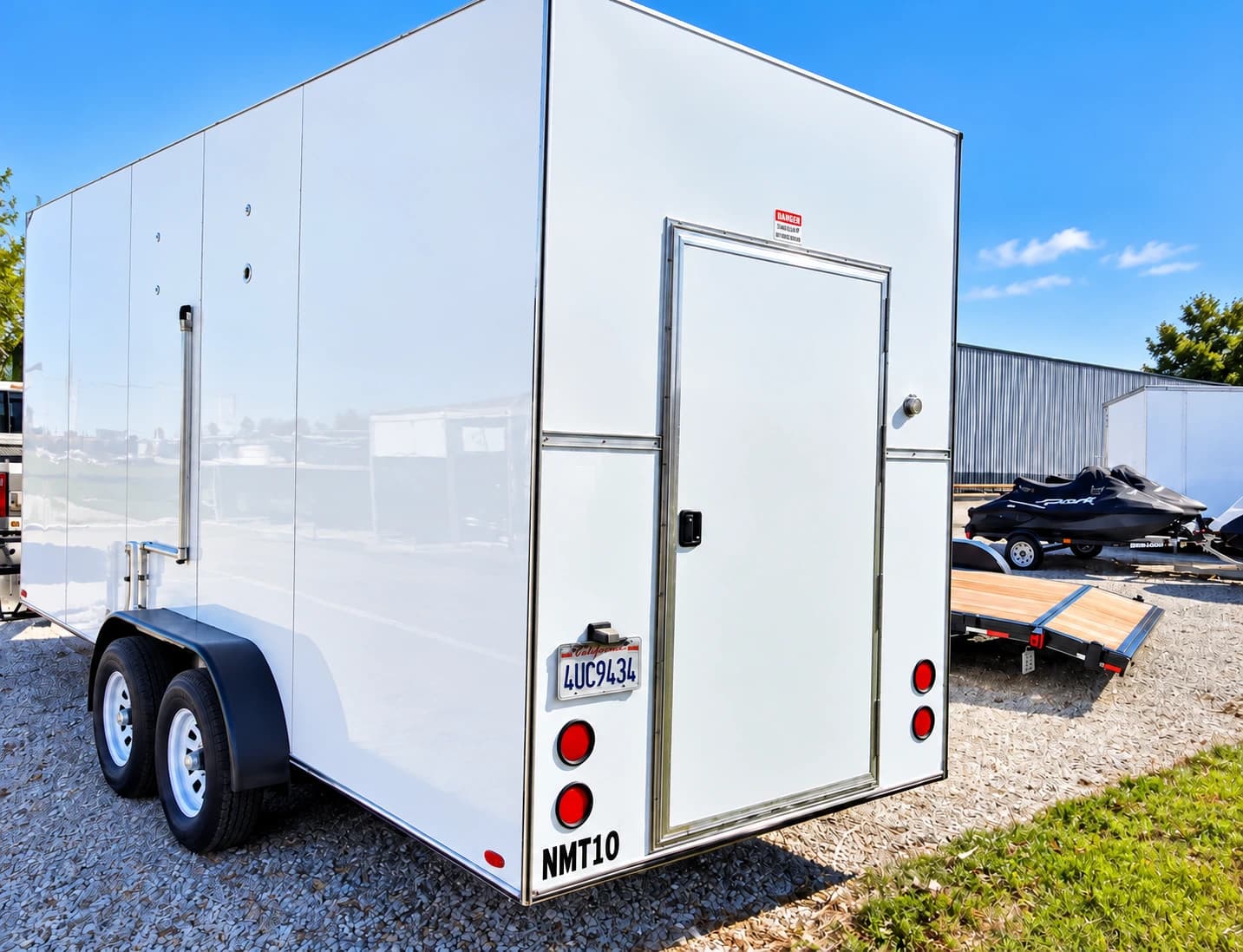
White refrigerated trailer with a rear door parked on a gravel lot
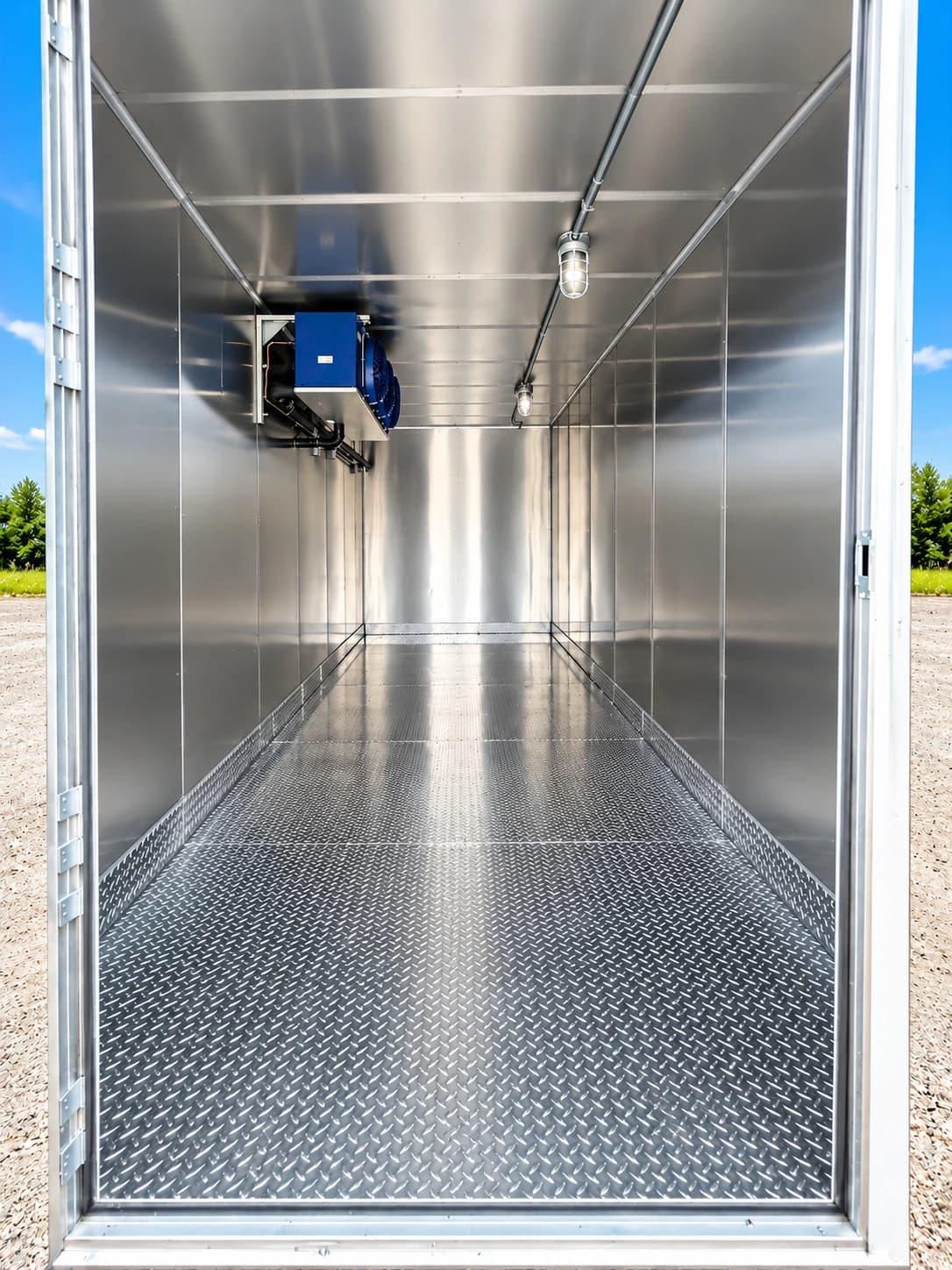
Long stainless steel cold storage interior with a diamond-plate floor and work lights
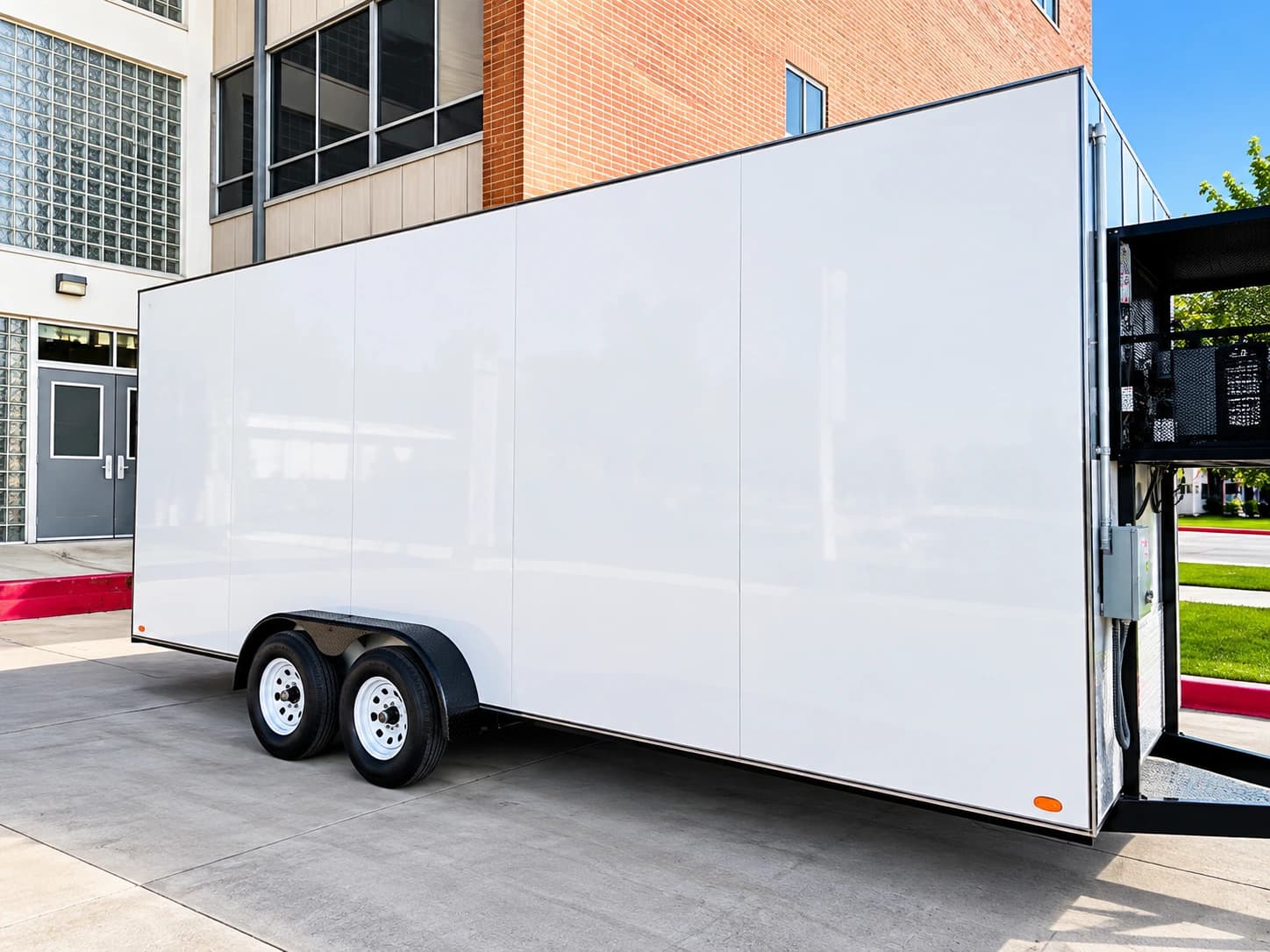
White refrigerated trailer on a paved lot with a power connection panel at the rear

Rental terms at a glance

Rentals run by the week or by the month, with short-term and long-term options, and we answer calls 24 hours a day, 7 days a week. Setup on site takes about 1 hour for a refrigeration unit and about 5 hours for a kitchen or dishwashing trailer; a ramp adds 4 to 6 hours and stairs add 5 to 15 minutes. GPS tracking is possible on request. Delivery, setup, servicing, and minimum terms are confirmed in your quote, and an inquiry does not reserve equipment.

Cold storage down? Call now.

Emergency refrigeration rentals in Colorado.

If a walk-in cooler or freezer has stopped holding temperature, call now. Tell us your city and state, what failed, how much product is at risk, and what power is on site. Keep doors closed to hold the cold while we work out the right trailer or container for you.

Call 24/7: (888) 385-5513

Frequently asked questions

How do I rent a refrigerated trailer in Colorado?

Call (888) 385-5513 or send the quote form with the address, what failed, the temperature you need, and the power at your site. We confirm the unit, availability, delivery, and terms in your quote. An inquiry does not reserve equipment.

Which Colorado cities do you serve?

Service is nationwide, so we serve commercial and industrial customers across Colorado. We list pages for Denver, Colorado Springs, Aurora, Fort Collins, Lakewood, and Alamosa and 14 more cities and towns. If your site is elsewhere in the state, call and we will confirm.

Can I rent a refrigerated container in Colorado for a long project?

Yes. A 20 ft or 40 ft refrigerated container suits renovations and seasonal peaks in Colorado. Rent short term or lease for months, and see the full price rows on each unit page.

Do you rent mobile kitchens and dishwashing trailers in Colorado?

Yes. When a Colorado kitchen is down, we rent mobile kitchens and commercial dishwashing trailers to pair with refrigeration.

Who regulates food safety in Colorado?

Colorado Department of Public Health and Environment (https://cdphe.colorado.gov/) is the state agency to start with. Local health departments may add their own rules, so check before placing temporary refrigeration or a temporary kitchen.

What to send for a fast quote

  • The city and state where the unit will sit
  • What failed and how much product is at risk
  • Cooler (32°F) or freezer temperature needed
  • Power available at the site: voltage, phase, and amps
  • Access: gate or door width, surface, and where the unit will be placed
  • How long you expect to need it

Prefer to talk? Call (888) 385-5513 any time.

Request availability and a quote

Need help right now? Call (888) 385-5513. An inquiry does not reserve equipment.

Request availability and a quote

Emergency? Call (888) 385-5513 now, 24 hours a day.

Need help right now? Call (888) 385-5513. An inquiry does not reserve equipment.

Call In 24/7