Emergency refrigeration rentals. Open 24/7.

(888) 385-5513

HHrefrigeration

Florida Refrigeration Trailer Rentals

Rental refrigeration is available throughout Florida. When a walk-in cooler or freezer fails, our refrigerated trailer and container rentals put cold storage on your site, along with mobile kitchens and dishwashing trailers if the kitchen is down too. We list pages for Jacksonville, Miami, Tampa, and Orlando and 16 more Florida cities and towns, and service is nationwide, so a site anywhere in the state is covered. Hospitals, schools, restaurants, grocers, and distributors rent from us, short term or long term. Call 24/7 or request availability and a quote.

Call 24/7: (888) 385-5513

Florida cities and towns

20 pages: the 5 largest cities, then 15 smaller towns under 10,000 people. Each page has local delivery planning, emergency support, requirements, and routes.

Cities

Largest cities

Smaller cities and towns

What drives cold-storage demand in Florida

Summers are hot and humid statewide, with typical highs from about 90F in the Keys to about 95F in the north and heat indexes of 103-110F. A rainy season brings daily thunderstorms from roughly May through October. Winters are the mildest in the continental U.S., though central and north Florida see occasional freezes.

The hottest stretch runs may to September. The coldest runs december to February. Both extremes strain commercial refrigeration, and both bring calls for emergency cold storage.

Restaurants, grocers, food distributors, and healthcare kitchens in the region often rent a trailer when a compressor fails in the heat.

Weather and hazards

  • Hurricane (June to November (peak August to October)): Tropical cyclones have affected Florida in every month except January and March, and nearly three-fourths of them arrive between August and October. Monroe County has been struck by 26 hurricanes since 1926, the most of any U.S. county. Hurricanes can knock out grocery, restaurant and hospital refrigeration for days and often create a need for emergency cold storage and temporary kitchens. Source
  • Hurricane (September to October): Hurricane Ian made landfall in Southwest Florida on September 28, 2022 with a 10-15 ft storm surge and about $109.5 billion in Florida damage. Hurricane Milton came ashore near Siesta Key on October 9-10, 2024 as a Category 3 storm. Surge flooding and prolonged outages can spoil refrigerated inventory and shut commercial kitchens, which can lead operators to seek temporary refrigeration and warewashing. Source
  • Tornado (Winter and spring cold fronts; also ahead of hurricanes): Florida has the most tornadoes per square mile of any state, though most are weaker than Midwest storms. At least 46 tornadoes touched down on October 8-9, 2024 ahead of Hurricane Milton. Tornado damage to a restaurant, school or warehouse can interrupt refrigeration and food service for weeks. Source
  • Wildfire (Late spring before the rainy season (about April to June)): Brush fires occur every year in late spring. The 1998 season after an El Nino burned about 500,000 acres in 480 wildfires, and La Nina raises spring and summer fire risk. Wildfire evacuations and utility shutoffs can interrupt food operations and spoil stocked perishables. Source
  • Other (Winter (freeze events)): Florida has had 12 major freezes, four of them 'impact' freezes (1894-95, 1962, 1983, 1989) that killed citrus groves. Central Florida sees freezing or near-freezing nights every few years. Freeze events can force growers and packers to harvest and chill crops quickly, which can raise short-term demand for cold storage. Source

Power outages

  • More than 2.4 million people in Florida lost power during and after Hurricane Ian in September 2022. Outages of this scale can leave restaurants, stores and care facilities without refrigeration for extended periods. Source
  • Hurricane Milton left more than 3 million homes and buildings without power across Florida in October 2024; Hillsborough County alone had around 500,000 customers out. Widespread outages can overwhelm normal cold storage and drive demand for temporary refrigerated units and backup kitchens. Source
  • FPL reported restoring power to more than 680,000 customers after Hurricane Helene in 2024 and to nearly 200,000 customers affected by Hurricane Idalia in 2023. Even with fast utility restoration, a one- to several-day outage can exceed safe holding times for refrigerated food. Source

Food and hospitality

  • Florida grows more fresh-market tomatoes than any other state, and its 2024 strawberry crop was valued at about $540 million, second only to California. Perishable produce harvests typically need rapid cooling and cold storage before shipment. Source
  • Florida is the nation's largest sugarcane producer, mostly grown around Lake Okeechobee, and also grows citrus (about 17% of the U.S. citrus crop in 2024). Citrus and sugar processing seasons can call for temporary chilled storage and worker food service at peak times. Source
  • PortMiami is described as the world's busiest cruise port, and the Miami area drew over four million visitors in 2022. Cruise provisioning and large visitor volumes depend on cold chain storage and high-volume food service. Source
  • Port Tampa Bay is Florida's largest port with over $15 billion in economic impact, and JAXPORT is the state's largest seaport by volume. Port and distribution activity creates ongoing cold storage and overflow warehousing demand. Source
  • Orlando's tourism economy includes Walt Disney World, Universal Orlando and the Orange County Convention Center, the second-largest convention facility in the U.S. Large conventions and theme park operations can use temporary kitchens, refrigeration and dishwashing for events and surge periods. Source

Rules, agencies, and roads in Florida

We rent to commercial and industrial customers only. Before you place temporary refrigeration or a temporary kitchen in Florida, check local rules. The state agency to start with is Florida Department of Business and Professional Regulation, Division of Hotels and Restaurants (with FDACS Division of Food Safety for retail food stores). For emergency information, see Florida Division of Emergency Management.

  • Under Rule 61C-4.0161, F.A.C., mobile food dispensing vehicles and temporary commercial kitchens must operate from an approved commissary, and vehicle owners notify DBPR of each commissary on Form DBPR HR-7022. Anyone setting up a mobile kitchen in Florida needs to line up an approved commissary and notify the Division of Hotels and Restaurants. Source
  • Temporary commercial kitchen operators must notify DBPR within 48 hours of starting at a new location, using Form DBPR HR-7034, per Rule 61C-4.0161. A temporary kitchen set up after a disaster or for an event has a short notification window to the state. Source
  • DBPR's Division of Hotels and Restaurants publishes Emergency Recovery Guidelines urging licensed food service operators to take special measures during power or water outages and other emergencies. Restaurants that lose power can check state guidance on holding temperatures and reopening before using temporary refrigeration. Source
  • The Florida Department of Agriculture and Consumer Services Division of Food Safety issues storm-season alerts to food permit holders and shares pre- and post-storm materials such as a Damaged Food Guide. Grocers and food processors regulated by FDACS can use its guidance when deciding what to keep or discard after an outage. Source

Main roads

  • I-95: Runs about 382 miles in Florida from US 1 in Miami to the Georgia line, serving the Atlantic coast including Jacksonville.
  • I-75: Runs about 471 miles from Hialeah to the Georgia line, serving the Gulf coast and Tampa Bay area.
  • I-10: Runs about 362 miles from the Alabama line across the Panhandle to I-95 in Jacksonville.
  • I-4: Runs about 132 miles from I-275 in Tampa through Orlando to I-95 in Daytona Beach.
  • I-275: Runs about 61 miles through the Tampa Bay area, linking St. Petersburg, Tampa and Wesley Chapel.
  • I-295: A roughly 61-mile beltway loop around Jacksonville.
  • Florida's Turnpike: Tolled route of about 265 miles (308 with the Homestead Extension) from the Miami area north to I-75 near Wildwood, operated by Florida's Turnpike Enterprise.

Events that raise demand

  • Florida Strawberry Festival (Late February to early March (Feb. 26 - Mar. 8 in 2026)): An 11-day festival in Plant City that draws roughly half a million visitors. Large food-focused festivals can use temporary kitchens, refrigerated storage and dishwashing for vendors and operators.
  • Florida State Fair (February): A 12-day fair near Tampa starting the second Thursday in February, with 397,992 attendees in 2025. Fair food vendors and concessions often need extra refrigeration and cleanup capacity.
  • Daytona 500 (February): Held at Daytona International Speedway, which has a capacity of about 102,000. Race weekends concentrate food service demand into a few days, which can call for temporary kitchens and cold storage.
  • Art Basel Miami Beach (Early December): Held annually at the Miami Beach Convention Center. Large catered gatherings and satellite events can need temporary kitchens and refrigerated storage.
  • Gasparilla Pirate Festival (Winter (annual, Tampa)): A Tampa festival run by Ye Mystic Krewe of Gasparilla and held yearly since 1904, with a few exceptions. Parade and waterfront crowds drive large temporary food service operations.

Refrigeration equipment to rent in Florida

Each card shows the lowest printed price. Open a unit for the full price row.

Equipment

12 ft Refrigerated Trailer

Starting from $1,895 / month

The smallest trailer in the lineup. It fits tight lots and loading areas when a small walk-in cooler or freezer goes down.

View details

20 ft Refrigerated Trailer

Starting from $1,895 / month

The workhorse. A 20 ft trailer comes as a 32°F cooler or as a low-temperature freezer configuration, so you can match what failed.

View details

40 ft Refrigerated Container

Starting from $3,995 / month

The largest cold storage option. It takes pallets and bulk product for food distribution, disaster response, and large facilities.

View details
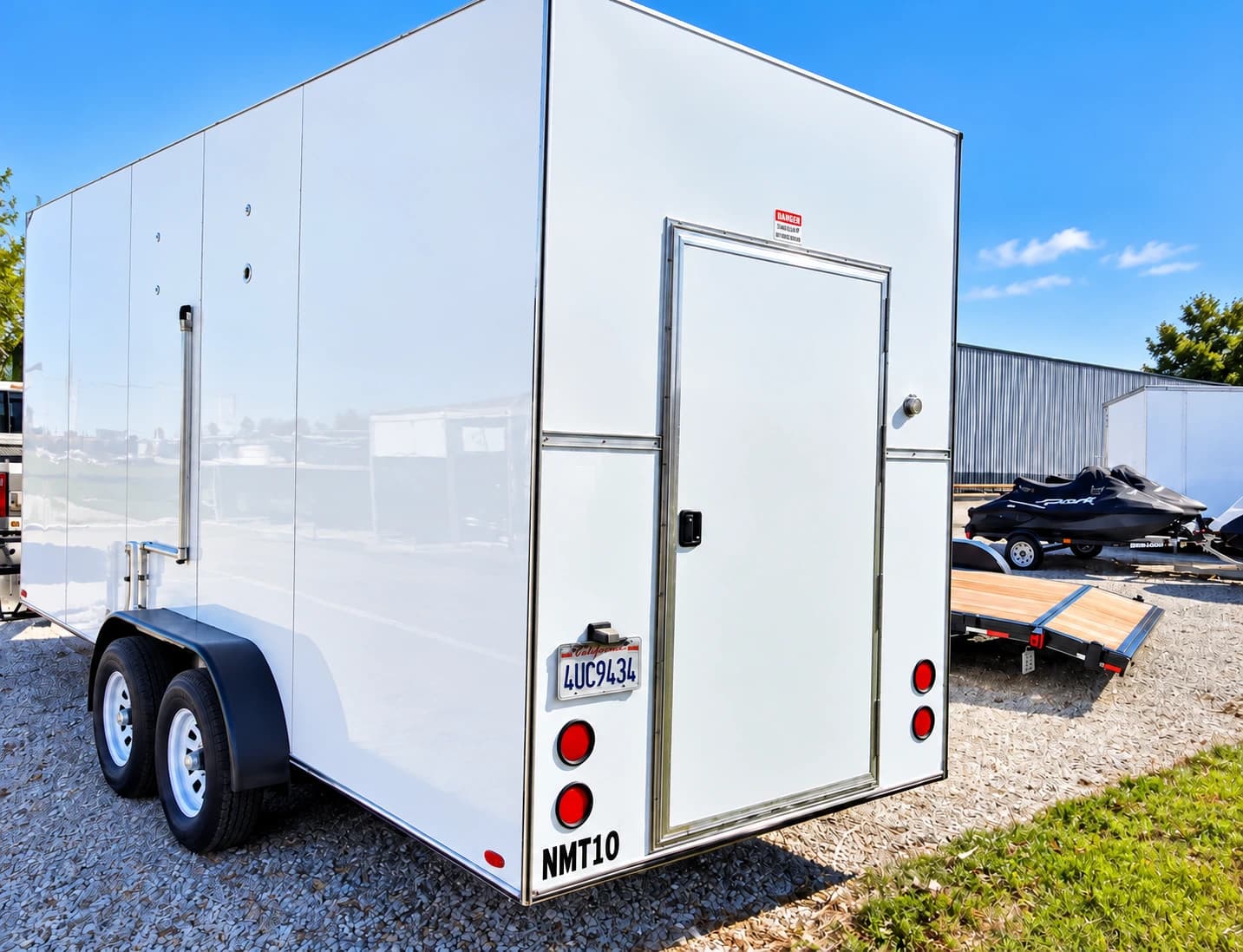
White refrigerated trailer with a rear door parked on a gravel lot
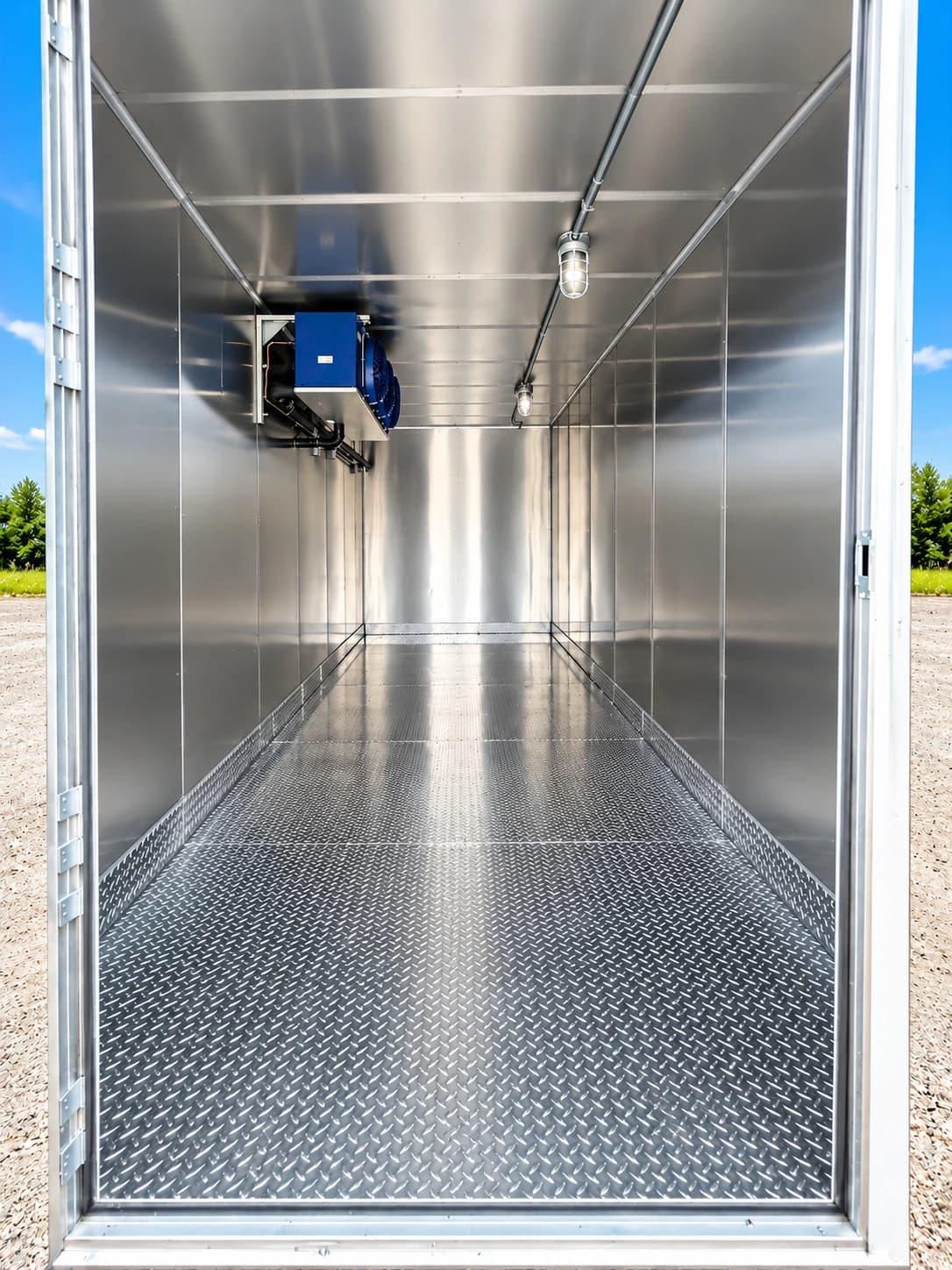
Long stainless steel cold storage interior with a diamond-plate floor and work lights
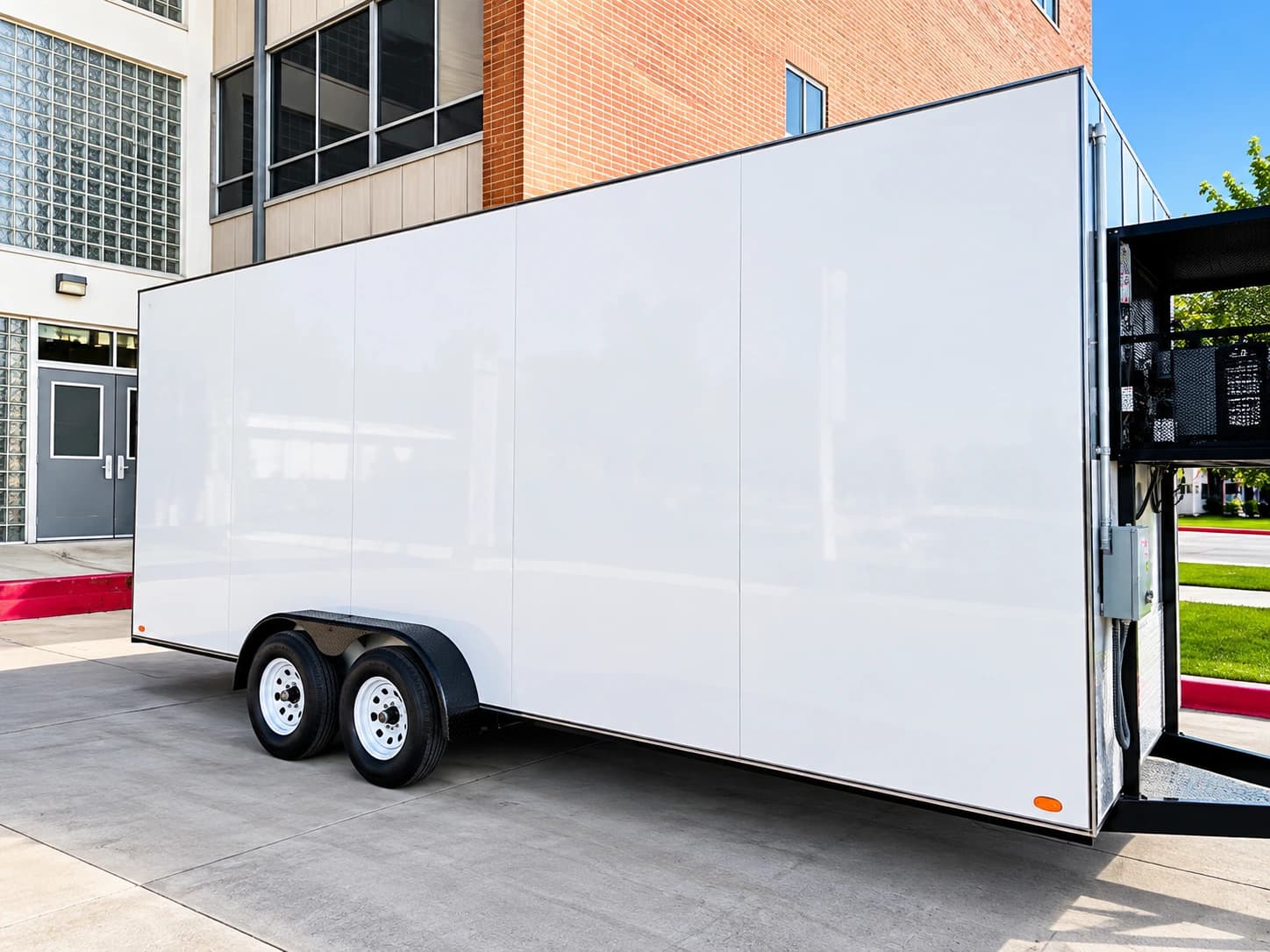
White refrigerated trailer on a paved lot with a power connection panel at the rear

Rental terms at a glance

Rentals run by the week or by the month, with short-term and long-term options, and we answer calls 24 hours a day, 7 days a week. Setup on site takes about 1 hour for a refrigeration unit and about 5 hours for a kitchen or dishwashing trailer; a ramp adds 4 to 6 hours and stairs add 5 to 15 minutes. GPS tracking is possible on request. Delivery, setup, servicing, and minimum terms are confirmed in your quote, and an inquiry does not reserve equipment.

Cold storage down? Call now.

Emergency refrigeration rentals in Florida.

If a walk-in cooler or freezer has stopped holding temperature, call now. Tell us your city and state, what failed, how much product is at risk, and what power is on site. Keep doors closed to hold the cold while we work out the right trailer or container for you.

Call 24/7: (888) 385-5513

Frequently asked questions

How do I rent a refrigerated trailer in Florida?

Call (888) 385-5513 or send the quote form with the address, what failed, the temperature you need, and the power at your site. We confirm the unit, availability, delivery, and terms in your quote. An inquiry does not reserve equipment.

Which Florida cities do you serve?

Service is nationwide, so we serve commercial and industrial customers across Florida. We list pages for Jacksonville, Miami, Tampa, Orlando, St. Petersburg, and Marathon and 14 more cities and towns. If your site is elsewhere in the state, call and we will confirm.

Can I rent a refrigerated container in Florida for a long project?

Yes. A 20 ft or 40 ft refrigerated container suits renovations and seasonal peaks in Florida. Rent short term or lease for months, and see the full price rows on each unit page.

Do you rent mobile kitchens and dishwashing trailers in Florida?

Yes. When a Florida kitchen is down, we rent mobile kitchens and commercial dishwashing trailers to pair with refrigeration.

Who regulates food safety in Florida?

Florida Department of Business and Professional Regulation, Division of Hotels and Restaurants (with FDACS Division of Food Safety for retail food stores) (https://www2.myfloridalicense.com/hotels-restaurants/) is the state agency to start with. Local health departments may add their own rules, so check before placing temporary refrigeration or a temporary kitchen.

What to send for a fast quote

  • The city and state where the unit will sit
  • What failed and how much product is at risk
  • Cooler (32°F) or freezer temperature needed
  • Power available at the site: voltage, phase, and amps
  • Access: gate or door width, surface, and where the unit will be placed
  • How long you expect to need it

Prefer to talk? Call (888) 385-5513 any time.

Request availability and a quote

Need help right now? Call (888) 385-5513. An inquiry does not reserve equipment.

Request availability and a quote

Emergency? Call (888) 385-5513 now, 24 hours a day.

Need help right now? Call (888) 385-5513. An inquiry does not reserve equipment.

Call In 24/7