Emergency refrigeration rentals. Open 24/7.

(888) 385-5513

HHrefrigeration

Virginia Refrigeration Trailer Rentals

Rental refrigeration is available throughout Virginia. When a walk-in cooler or freezer fails, our refrigerated trailer and container rentals put cold storage on your site, along with mobile kitchens and dishwashing trailers if the kitchen is down too. We list pages for Virginia Beach, Chesapeake, Norfolk, and Richmond and 16 more Virginia cities and towns, and service is nationwide, so a site anywhere in the state is covered. Hospitals, schools, restaurants, grocers, and distributors rent from us, short term or long term. Call 24/7 or request availability and a quote.

Call 24/7: (888) 385-5513

Virginia cities and towns

20 pages: the 5 largest cities, then 15 smaller towns under 10,000 people. Each page has local delivery planning, emergency support, requirements, and routes.

Cities

Largest cities

Smaller cities and towns

What drives cold-storage demand in Virginia

Summers are hot and humid, with typical highs from the high 70s to mid 90s F and a state record of 110 F. Winters are cool with big swings; January is at or below freezing in the mountains and north, while the east and south often see 50s and 60s. Snow is heaviest in the Blue Ridge and Northern Virginia, and tropical systems bring most of the flooding.

The hottest stretch runs june to August. The coldest runs december to February. Both extremes strain commercial refrigeration, and both bring calls for emergency cold storage.

Restaurants, grocers, food distributors, and healthcare kitchens in the region often rent a trailer when a compressor fails in the heat.

Weather and hazards

  • Hurricane (mid-August to September (Atlantic season runs June to November)): Hurricane Isabel (2003) caused 10 direct deaths and nearly $2 billion in damage, and Gaston (2004) flooded Richmond after landfall in South Carolina. Hampton Roads risk is highest from mid-August through September. Storm-driven power loss and flooding can leave restaurants, grocers and food plants without refrigeration and can create a need for emergency cold storage or a temporary kitchen. Source
  • Flood (year-round; tropical systems late summer to fall): Hurricane Floyd (1999) put downtown Franklin under up to 12 ft of water, and Hurricane Helene (late September 2024) caused flooding and destruction in Marion in the southwest. Norfolk now sees about 10-15 tidal flood days a year. Floodwater can contaminate food and force commercial kitchens to close, which often creates demand for temporary cold storage, a mobile kitchen or warewashing capacity. Source
  • Winter storm (December to March): Average annual snowfall ranges from about 6 in at Norfolk and 9 in at Richmond to roughly 41 in in the Blue Ridge. Snow and freezing rain cause most of the damaging winter storms around Richmond. Ice and snow can down power lines and block deliveries, which can strand perishable inventory and create a need for backup refrigeration. Source
  • Tornado (spring to early summer): Virginia averages about seven tornadoes a year, mostly F2 or weaker. An EF-3 tornado hit Virginia Beach on April 30, 2023, and tornadoes on April 8, 2011 destroyed 31 buildings in Pulaski. Tornado damage to a building or its electrical service can take a kitchen or walk-in cooler out of use and often creates a short-term need for temporary food service equipment. Source

Power outages

  • Hurricane Isabel (2003) cut power to about 1.8 million Dominion customers in Virginia and northeastern North Carolina, about 82% of its customers; Tidewater Virginia lost service for 94% of 761,000 customers. Multi-day regional outages of this scale can leave grocers and food businesses without refrigeration and can create a need for emergency cold storage. Source
  • Two ice storms in one week in February 2021 left roughly 130,000 Virginia customers without power at one point, according to Dominion Energy. Winter outages can last long enough for refrigerated inventory to be at risk and can create a need for temporary refrigeration. Source
  • A February 2025 snow and ice storm cut power to more than 100,000 customers in Virginia at one point during the event. Repeat winter outages show that cold storage and food service interruptions are a recurring seasonal risk in the state. Source

Food and hospitality

  • Broilers were Virginia's top farm commodity in 2024 with more than $1.25 billion in cash receipts, ahead of cattle and calves at about $712 million. Poultry and livestock processing and distribution depend on continuous refrigeration, so temporary cold storage can matter during plant maintenance, outages or seasonal peaks. Source
  • A 2021 Weldon Cooper Center study put agriculture's economic impact in Virginia at $82.3 billion and more than 381,800 jobs. A large farm and food-processing base means many producers and packers with seasonal cold-storage needs. Source
  • The Port of Virginia's Portsmouth Marine Terminal has space for 260 reefer receptacles, and the Virginia Inland Port at Front Royal offers reefer gensets and shore power (figures partly from older sources). Refrigerated container traffic through the ports and inland terminals can create overflow cold-storage needs for importers and exporters. Source
  • Virginia Beach tourism generates about $857 million in spending and 2.75 million visitors a year, and the city reports 172 farms producing about $80 million. Hotels, restaurants and event caterers at the oceanfront face seasonal demand peaks that can call for extra refrigeration or temporary kitchens. Source

Rules, agencies, and roads in Virginia

We rent to commercial and industrial customers only. Before you place temporary refrigeration or a temporary kitchen in Virginia, check local rules. The state agency to start with is Virginia Department of Health, Office of Environmental Health Services (Food Safety). For emergency information, see Virginia Department of Emergency Management.

  • VDH is updating the Virginia Food Regulations (12VAC5-421) to reflect the FDA Food Code, effective September 10, 2026; changes include allergen disclosure, sesame as a major allergen and a lower minimum hot water temperature (85 F). Anyone running a temporary kitchen or warewashing station should confirm which version of the rules applies to their permit. Source
  • Vendors without a permanent or mobile food establishment permit generally apply to the local health department for a Temporary Food Establishment permit, and event organizers typically file a coordinator application first; lead times, fees and day limits vary by health district. Plan for permit lead time and confirm district rules before setting up a temporary kitchen at an event. Source
  • Alexandria Health Department guidance states a food business with no electrical power must stop food operations until power is restored, and an inspection is required before reopening if power was lost for more than 2 hours. After a long outage, a business may need to bring in compliant refrigeration or a temporary kitchen and have it inspected before resuming service. Source
  • VDH publishes written Mobile Unit Guidelines (2021 edition) for mobile food establishments, and health districts review mobile units under the Virginia Food Regulations. A mobile kitchen used in Virginia is generally reviewed against these guidelines, so check requirements with the local health district first. Source

Main roads

  • I-95: Runs north-south through the east side of the state, passing Dumfries in Prince William County and Emporia near the North Carolina line.
  • I-81: Runs 324.92 miles through Virginia from Bristol to Winchester, through Roanoke, Lexington, Staunton and Harrisonburg; truck traffic prompted widening proposals.
  • I-64: Forms part of the Hampton Roads Beltway through Chesapeake and Newport News and runs west through Richmond, Lexington and Covington.
  • I-66: Begins just northeast of Strasburg, connecting the Shenandoah Valley to Northern Virginia.
  • I-77: Serves southwest Virginia; Pulaski has access to both I-77 and I-81.
  • I-264, I-464 and I-664: Hampton Roads connectors: I-264 links Virginia Beach and Norfolk, I-464 serves Norfolk, Chesapeake and Portsmouth, and I-664 completes the loop through Newport News and Hampton.
  • US-58: East-west route through southern Virginia, passing Emporia, Franklin and South Boston.

Events that raise demand

  • Neptune Festival Boardwalk Weekend (last weekend of September): The Virginia Beach oceanfront festival is estimated at more than 400,000 visitors over three days (a recurring estimate rather than a verified count). Very large crowds in a compact area can raise demand for temporary refrigeration, mobile kitchens and warewashing for vendors and caterers.
  • State Fair of Virginia (late September to early October): Held annually at Meadow Event Park in Doswell with livestock shows, agricultural displays and fair food vendors. Fair food operations and agricultural exhibits can need extra cold storage and temporary food service equipment.
  • Virginia Highlands Festival (late July to early August): The Abingdon arts and crafts festival, started in 1948, is scheduled for July 24 to August 2 in 2026 (its 77th year). A multi-day festival with food vendors can create a need for temporary kitchens and cold storage.
  • Galax Old Fiddlers' Convention (August): Held since 1935; organizers estimated about 30,000 attendees in 2025, below pre-pandemic levels. A small town hosting tens of thousands over several days often relies on temporary food service and cold storage.

Refrigeration equipment to rent in Virginia

Each card shows the lowest printed price. Open a unit for the full price row.

Equipment

12 ft Refrigerated Trailer

Starting from $1,895 / month

The smallest trailer in the lineup. It fits tight lots and loading areas when a small walk-in cooler or freezer goes down.

View details

20 ft Refrigerated Trailer

Starting from $1,895 / month

The workhorse. A 20 ft trailer comes as a 32°F cooler or as a low-temperature freezer configuration, so you can match what failed.

View details

40 ft Refrigerated Container

Starting from $3,995 / month

The largest cold storage option. It takes pallets and bulk product for food distribution, disaster response, and large facilities.

View details
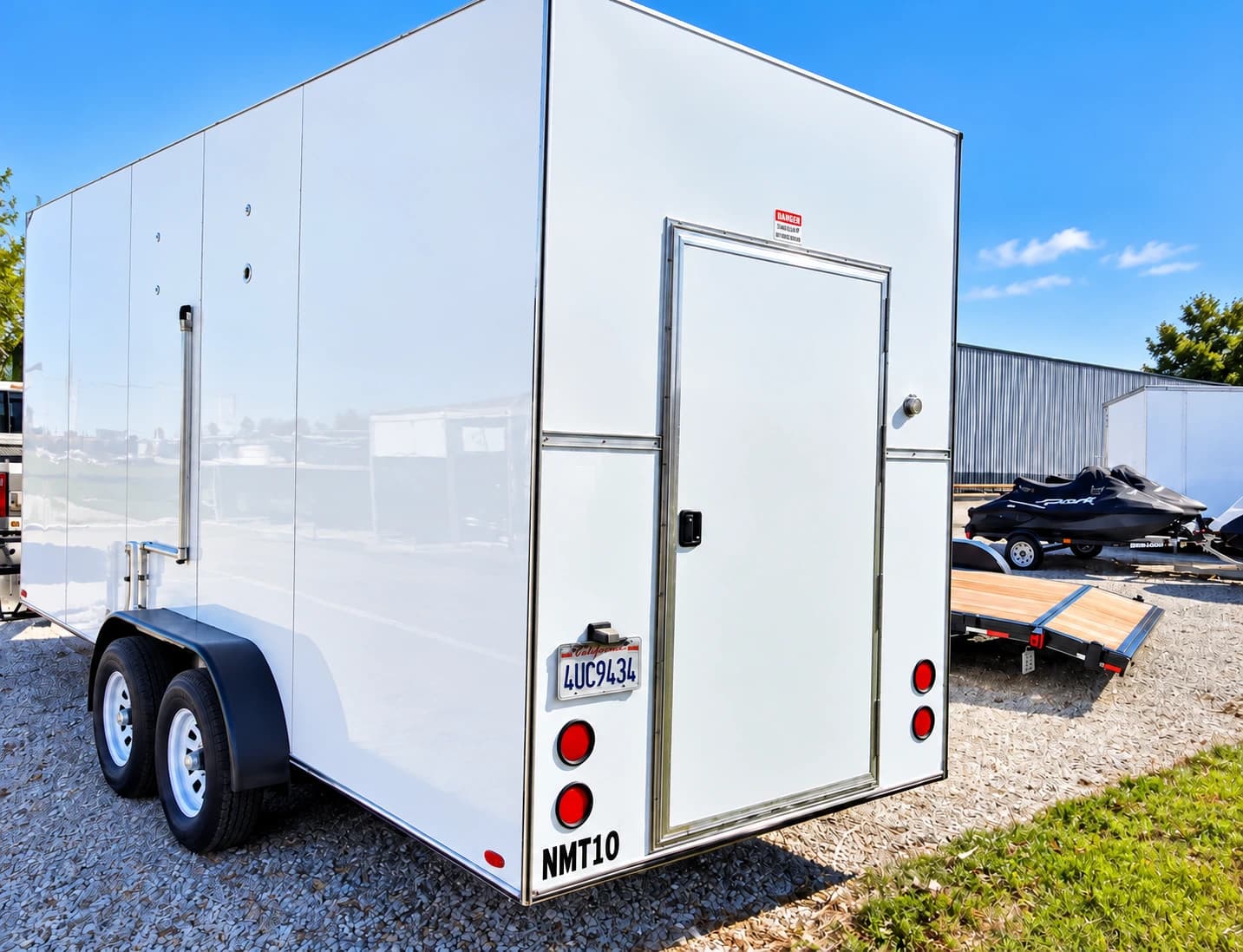
White refrigerated trailer with a rear door parked on a gravel lot
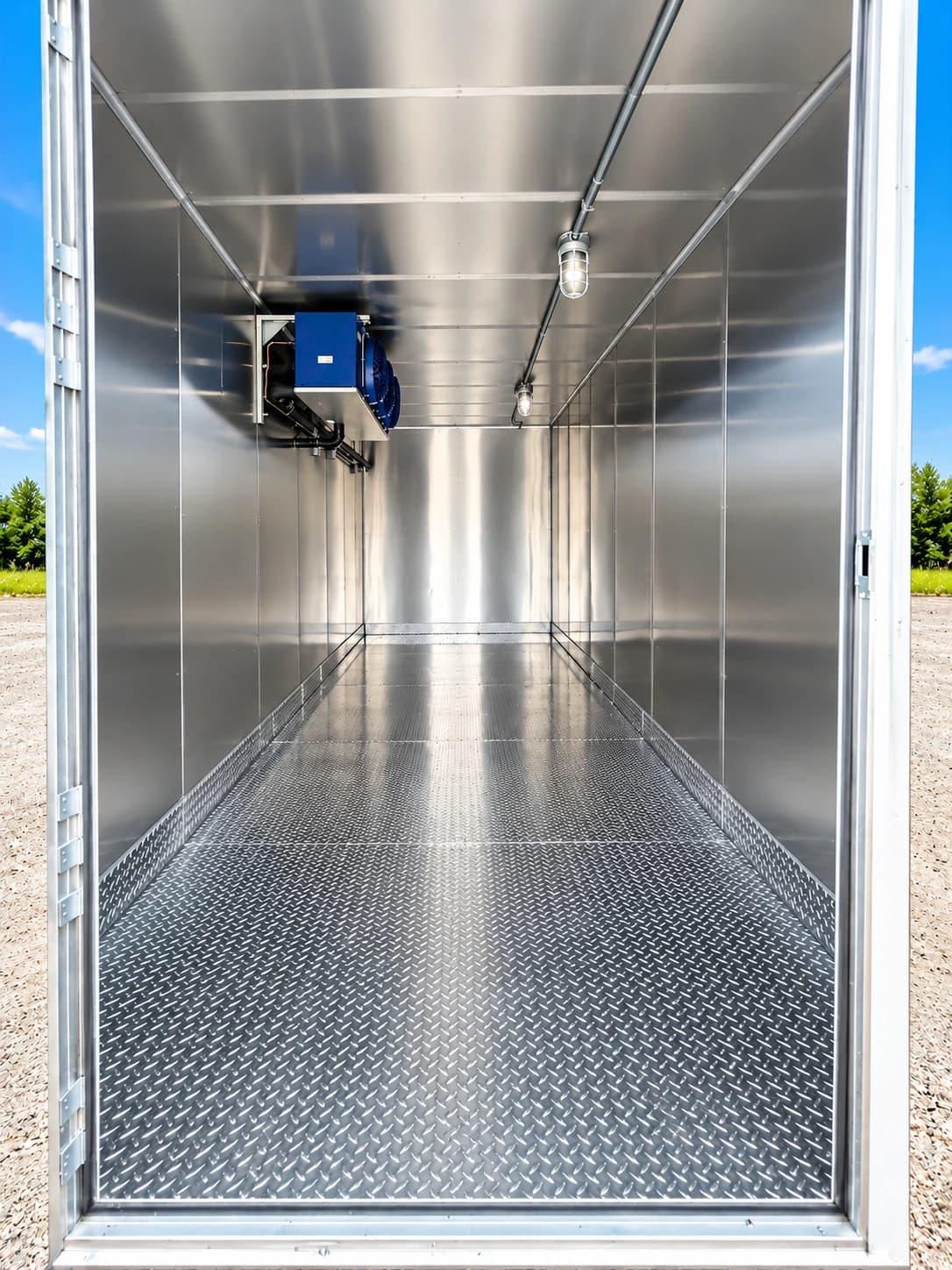
Long stainless steel cold storage interior with a diamond-plate floor and work lights
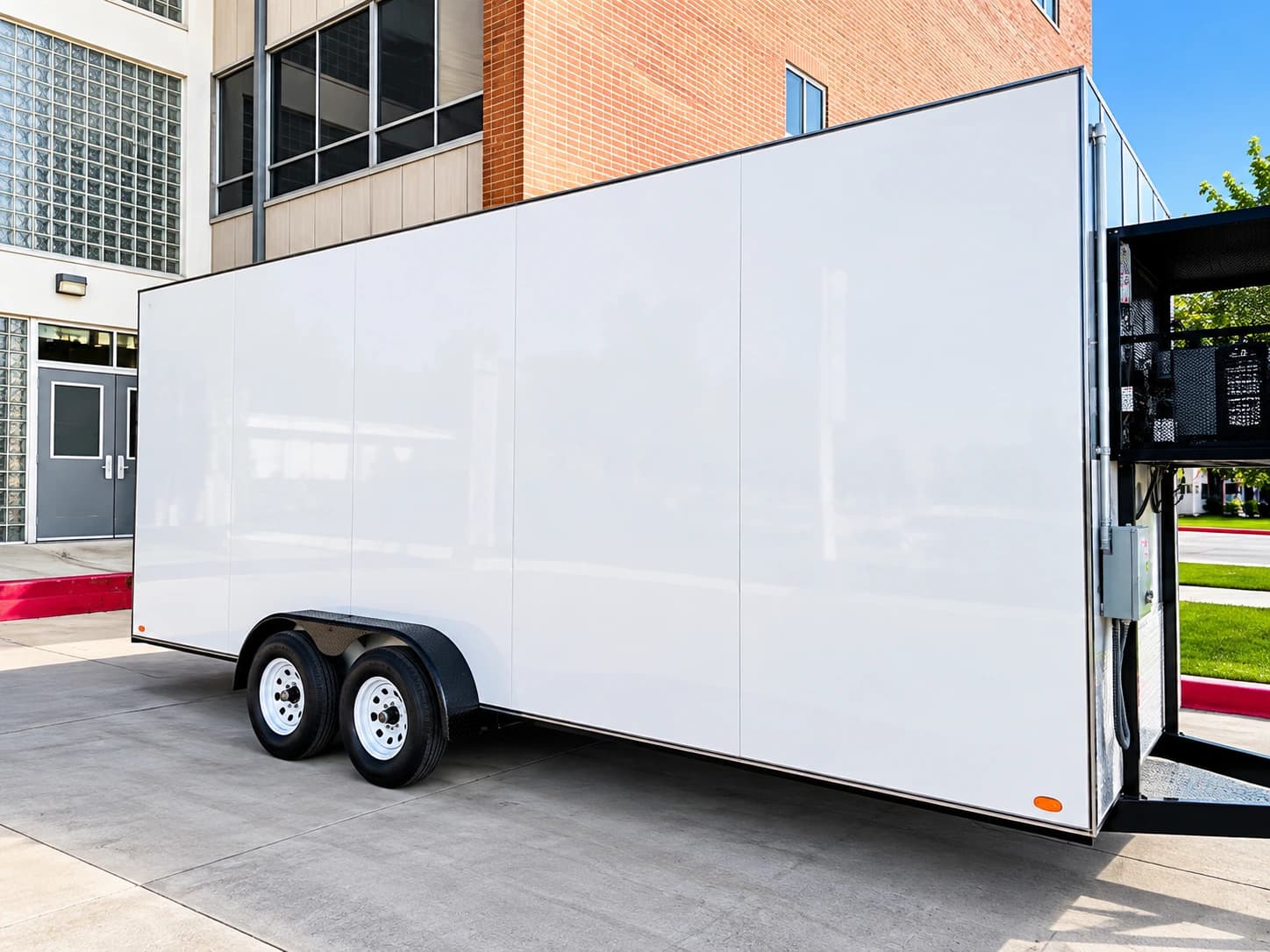
White refrigerated trailer on a paved lot with a power connection panel at the rear

Rental terms at a glance

Rentals run by the week or by the month, with short-term and long-term options, and we answer calls 24 hours a day, 7 days a week. Setup on site takes about 1 hour for a refrigeration unit and about 5 hours for a kitchen or dishwashing trailer; a ramp adds 4 to 6 hours and stairs add 5 to 15 minutes. GPS tracking is possible on request. Delivery, setup, servicing, and minimum terms are confirmed in your quote, and an inquiry does not reserve equipment.

Cold storage down? Call now.

Emergency refrigeration rentals in Virginia.

If a walk-in cooler or freezer has stopped holding temperature, call now. Tell us your city and state, what failed, how much product is at risk, and what power is on site. Keep doors closed to hold the cold while we work out the right trailer or container for you.

Call 24/7: (888) 385-5513

Frequently asked questions

How do I rent a refrigerated trailer in Virginia?

Call (888) 385-5513 or send the quote form with the address, what failed, the temperature you need, and the power at your site. We confirm the unit, availability, delivery, and terms in your quote. An inquiry does not reserve equipment.

Which Virginia cities do you serve?

Service is nationwide, so we serve commercial and industrial customers across Virginia. We list pages for Virginia Beach, Chesapeake, Norfolk, Richmond, Newport News, and Purcellville and 14 more cities and towns. If your site is elsewhere in the state, call and we will confirm.

Can I rent a refrigerated container in Virginia for a long project?

Yes. A 20 ft or 40 ft refrigerated container suits renovations and seasonal peaks in Virginia. Rent short term or lease for months, and see the full price rows on each unit page.

Do you rent mobile kitchens and dishwashing trailers in Virginia?

Yes. When a Virginia kitchen is down, we rent mobile kitchens and commercial dishwashing trailers to pair with refrigeration.

Who regulates food safety in Virginia?

Virginia Department of Health, Office of Environmental Health Services (Food Safety) (https://www.vdh.virginia.gov/environmental-health/food-safety-in-virginia/) is the state agency to start with. Local health departments may add their own rules, so check before placing temporary refrigeration or a temporary kitchen.

What to send for a fast quote

  • The city and state where the unit will sit
  • What failed and how much product is at risk
  • Cooler (32°F) or freezer temperature needed
  • Power available at the site: voltage, phase, and amps
  • Access: gate or door width, surface, and where the unit will be placed
  • How long you expect to need it

Prefer to talk? Call (888) 385-5513 any time.

Request availability and a quote

Need help right now? Call (888) 385-5513. An inquiry does not reserve equipment.

Request availability and a quote

Emergency? Call (888) 385-5513 now, 24 hours a day.

Need help right now? Call (888) 385-5513. An inquiry does not reserve equipment.

Call In 24/7