Emergency refrigeration rentals. Open 24/7.

(888) 385-5513

HHrefrigeration

Louisiana Refrigeration Trailer Rentals

Rental refrigeration is available throughout Louisiana. When a walk-in cooler or freezer fails, our refrigerated trailer and container rentals put cold storage on your site, along with mobile kitchens and dishwashing trailers if the kitchen is down too. We list pages for New Orleans, Shreveport, Lake Charles, and Kenner and 16 more Louisiana cities and towns, and service is nationwide, so a site anywhere in the state is covered. Hospitals, schools, restaurants, grocers, and distributors rent from us, short term or long term. Call 24/7 or request availability and a quote.

Call 24/7: (888) 385-5513

Louisiana cities and towns

20 pages: the 5 largest cities, then 15 smaller towns under 10,000 people. Each page has local delivery planning, emergency support, requirements, and routes.

Cities

Largest cities

Smaller cities and towns

What drives cold-storage demand in Louisiana

Louisiana has long, hot, humid summers: from June through September southern areas average 90F or more with overnight lows above 70F, and the heat index can exceed 120F. Winters are short and mild, with average lows around 46F near the Gulf and 37F in the north, and snow is rare. Rain is frequent year-round, and the state is very vulnerable to major hurricanes.

The hottest stretch runs june to September. The coldest runs december to February. Both extremes strain commercial refrigeration, and both bring calls for emergency cold storage.

Restaurants, grocers, food distributors, and healthcare kitchens in the region often rent a trailer when a compressor fails in the heat.

Weather and hazards

  • Hurricane (June to November (peak August to October)): Hurricane Ida struck near Port Fourchon on August 29, 2021 with 150 mph winds, and Hurricane Laura hit Cameron on August 27, 2020 as a Category 4 storm with a surge of at least 9.19 ft. Major hurricanes can cut power for days to weeks, which often creates a need for emergency cold storage, temporary kitchens and warewashing. Source
  • Flood (Year-round; heavy rain in spring and summer): Hurricane Katrina's levee failures flooded about 80 percent of New Orleans in 2005, and an August 2016 storm damaged an estimated 110,000 homes in southern Louisiana. Flooded kitchens and stores can lead to urgent replacement of refrigeration and food service capacity. Source
  • Tornado (January to March in the south, February to March in the north): Louisiana averages about 27 tornadoes per year and over 60 thunderstorm days annually, more than any state except Florida. Storm damage can interrupt power and refrigeration for food businesses. Source
  • Heat wave (June to September): Southern Louisiana summer highs average 90F or more with heat index values that can exceed 120F; the state record is 114F at Plain Dealing. Extreme heat can overload refrigeration and raise demand for extra cold storage and cooling at events. Source
  • Ice storm (December to February (north Louisiana)): North Louisiana can see freezes, ice and sleet storms in winter; Shreveport and Bossier City both note winter ice storm risk. Ice storms can down power lines and disrupt deliveries to food businesses. Source

Power outages

  • About one million people in Louisiana lost power after Hurricane Ida in 2021, and roughly a week later over a million people in southeast Louisiana were reported still without power. Week-long outages exceed safe holding times and often drive demand for temporary refrigerated storage. Source
  • After Ida, a 400-foot Entergy transmission tower near Avondale collapsed and damaged eight feeder lines, and most of New Orleans took about 10 days to regain power. Grid damage can leave large urban areas without refrigeration for more than a week. Source
  • Hurricane Laura (2020) heavily damaged major power transmission towers and lines, and some areas were expected to be without power for weeks or even months. Prolonged outages in southwest Louisiana can force restaurants, grocers and plants to seek temporary kitchens and cold storage. Source
  • Almost 900,000 people in Louisiana lost power during Hurricane Katrina in 2005. Statewide outages from storms have repeatedly stressed food storage across the state. Source

Food and hospitality

  • As of 2018, 93 percent of U.S. crawfish farms were in Louisiana, which produces on the order of 100 million pounds of crawfish a year. Seafood harvesting, boiling and distribution depend on chilled storage and large-scale kitchens. Source
  • The Port of South Louisiana, between New Orleans and Baton Rouge, is the largest U.S. port by tonnage and handles about 60 percent of raw grain exports; imports include fruits, vegetables and coffee. Port logistics create ongoing cold chain and overflow storage demand. Source
  • Sugarcane production is concentrated in the Mississippi River Delta region and has expanded north and west in Louisiana. Harvest and milling seasons bring worker food service and seasonal storage needs. Source
  • Tourism and gaming are important to Louisiana's economy, especially in Greater New Orleans, and Lake Charles has the state's biggest casino market. Hotels, casinos and restaurants run high-volume kitchens that need dependable refrigeration and warewashing. Source
  • Processed foods are a significant part of Louisiana's gross state product, and Tabasco sauce originated on Avery Island. Food manufacturers rely on controlled-temperature storage. Source

Rules, agencies, and roads in Louisiana

We rent to commercial and industrial customers only. Before you place temporary refrigeration or a temporary kitchen in Louisiana, check local rules. The state agency to start with is Louisiana Department of Health, Office of Public Health. For emergency information, see Louisiana Governor's Office of Homeland Security and Emergency Preparedness (GOHSEP).

  • The Louisiana Department of Health's Office of Public Health monitors food and safe drinking water, among other duties including disaster readiness, and serves parishes through nine regions. Operators of temporary kitchens or mobile food units in Louisiana should confirm current permit and plan review requirements with the state health department or the parish sanitarian office. Source
  • The FDA Food Code is a model that state and local regulators use as a template for their own rules covering restaurants, grocery stores and institutions. Temporary refrigeration and kitchens used in Louisiana will typically be judged against state rules derived from this model. Source
  • GOHSEP's earlier public site, Get A Game Plan, now redirects to gohsep.la.gov as the state's emergency preparedness portal. Businesses can use the state emergency agency for hurricane preparedness planning. Source

Main roads

  • I-10: About 274 miles from the Texas line at Orange, TX through Lake Charles, Lafayette, Baton Rouge and New Orleans to the Mississippi line.
  • I-12: About 86 miles from Baton Rouge to Slidell, a northern bypass of New Orleans via Hammond.
  • I-20: About 190 miles across north Louisiana through Shreveport and Monroe to the Mississippi line at Vicksburg.
  • I-49: About 239 miles from Lafayette through Alexandria and Shreveport to the Arkansas line.
  • I-55: About 66 miles from LaPlace through Hammond to the Mississippi line.
  • I-59: About 11 miles from Slidell to the Mississippi line.
  • I-210: About 12-mile bypass loop of I-10 around Lake Charles.

Events that raise demand

  • New Orleans Mardi Gras (Carnival) (January 6 through Mardi Gras Day (between February 3 and March 9)): A 2020 study estimated Mardi Gras brings about 1.4 million visitors to New Orleans, with the largest parades in the final five days. Huge crowds create peak food service demand that can use temporary kitchens, refrigeration and dishwashing.
  • New Orleans Jazz & Heritage Festival (April and May, over two weekends): Held at the Fair Grounds Race Course, with about 425,000 attendees over seven days in 2017. Festival food vendors and catering often need extra refrigerated storage and cleanup capacity.
  • Louisiana Pirate Festival (formerly Contraband Days) (May): A 12-day event in Lake Charles each May. Multi-day festivals can use temporary kitchens, cold storage and dishwashing.
  • Ponchatoula Strawberry Festival (April): An annual festival in Ponchatoula, which has strawberries and lumber in its history, with Oktoberfest in the fall. Festival crowds and produce vendors can use cold storage and temporary food service.

Refrigeration equipment to rent in Louisiana

Each card shows the lowest printed price. Open a unit for the full price row.

Equipment

12 ft Refrigerated Trailer

Starting from $1,895 / month

The smallest trailer in the lineup. It fits tight lots and loading areas when a small walk-in cooler or freezer goes down.

View details

20 ft Refrigerated Trailer

Starting from $1,895 / month

The workhorse. A 20 ft trailer comes as a 32°F cooler or as a low-temperature freezer configuration, so you can match what failed.

View details

40 ft Refrigerated Container

Starting from $3,995 / month

The largest cold storage option. It takes pallets and bulk product for food distribution, disaster response, and large facilities.

View details
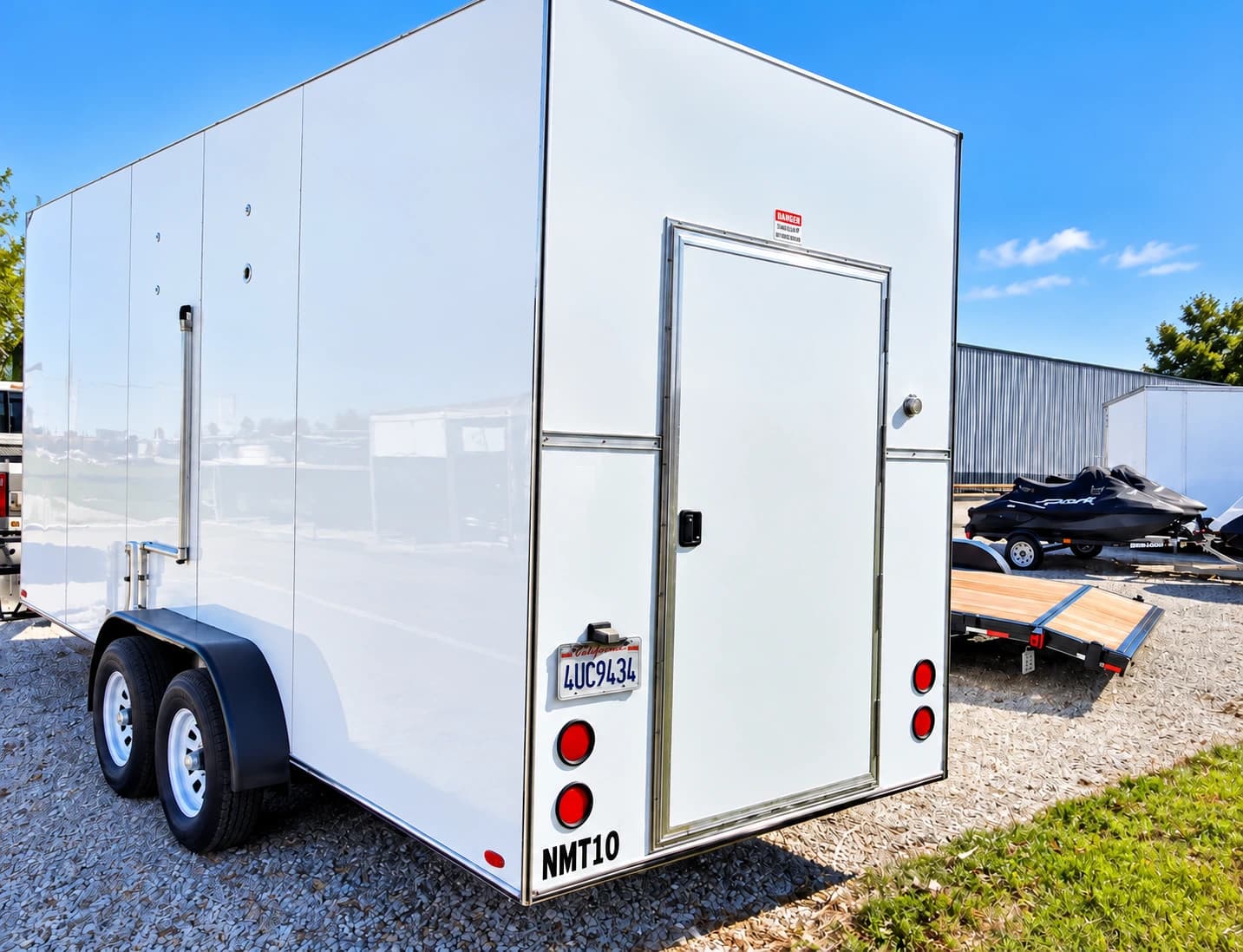
White refrigerated trailer with a rear door parked on a gravel lot
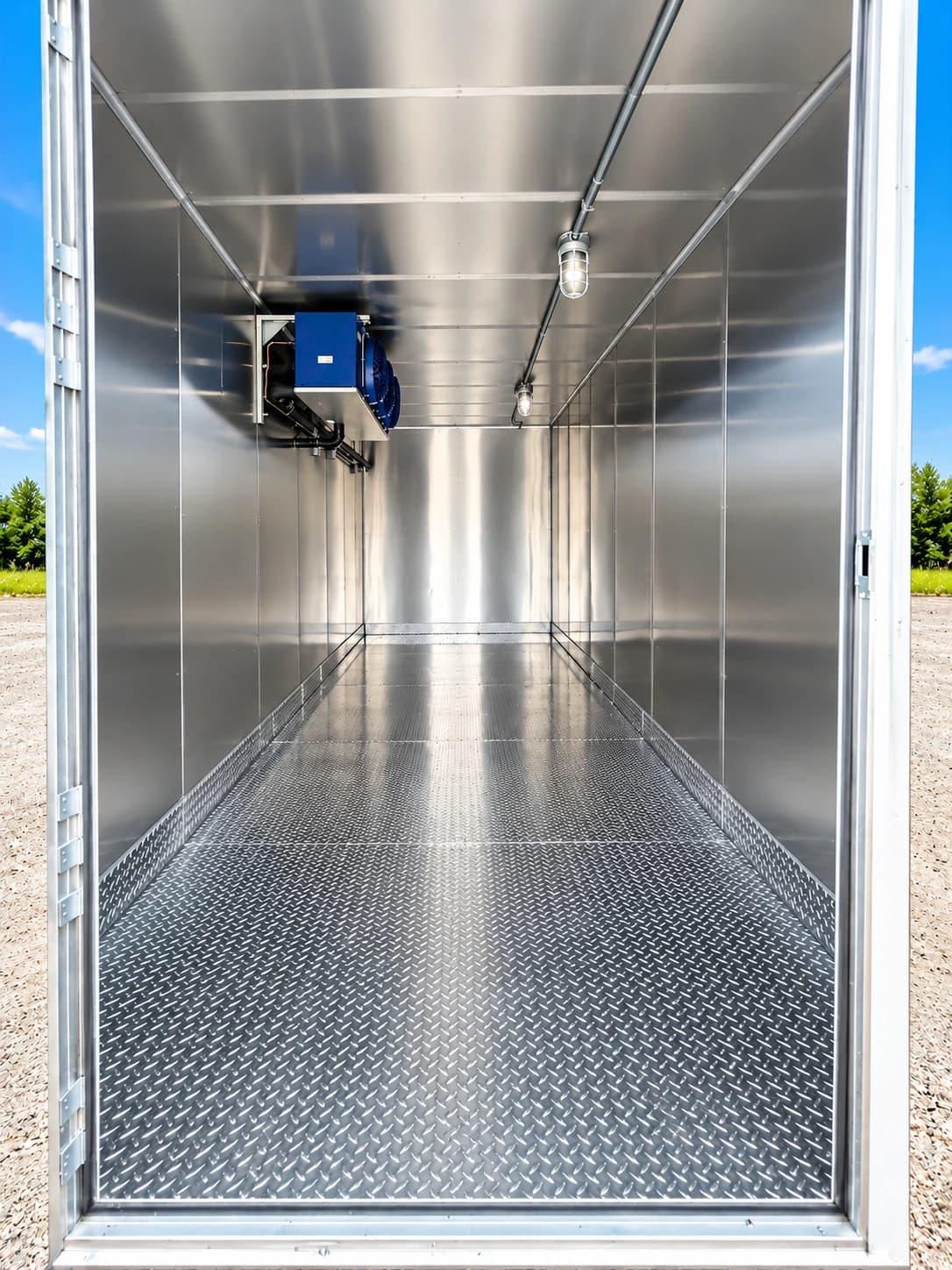
Long stainless steel cold storage interior with a diamond-plate floor and work lights
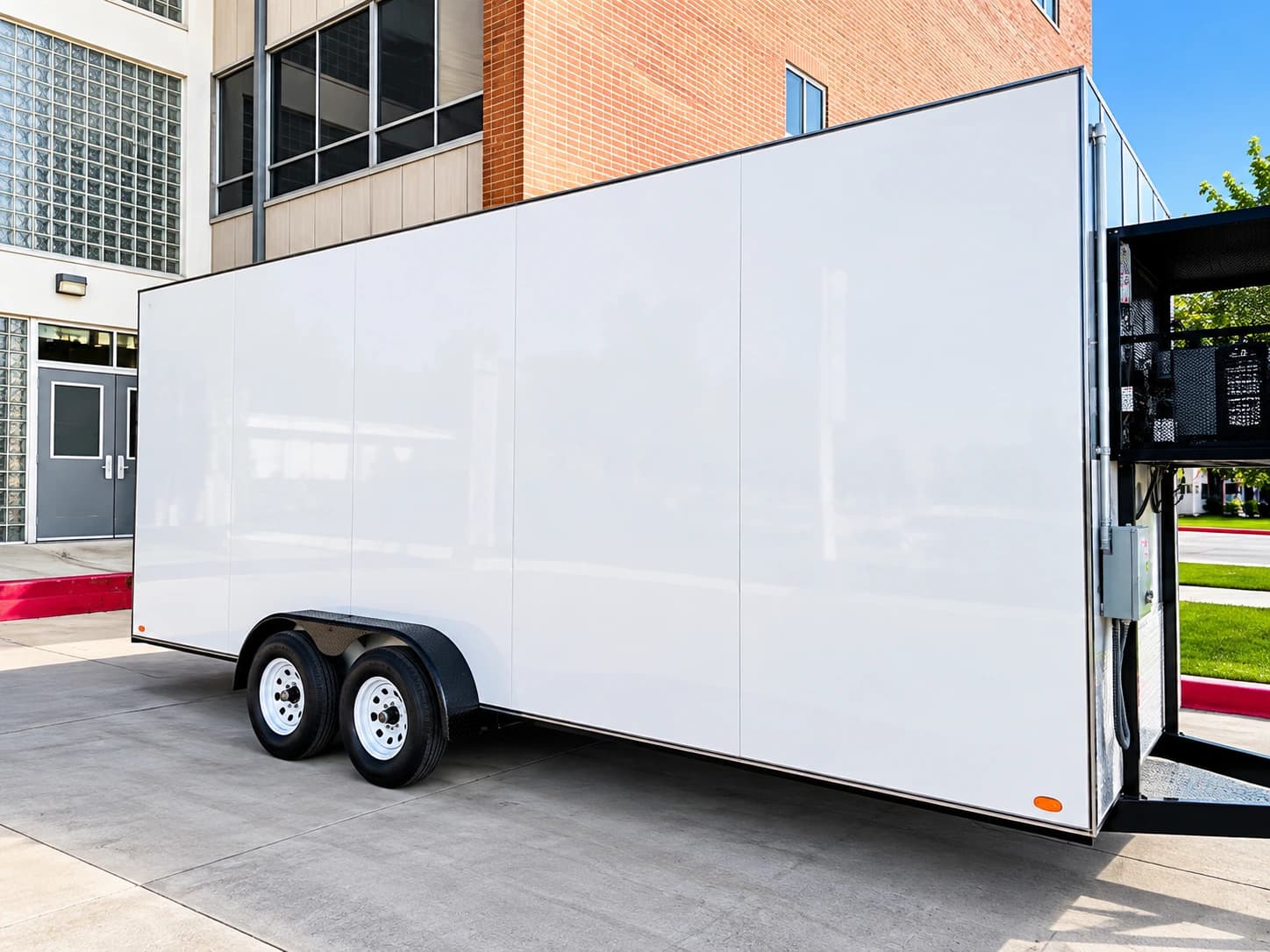
White refrigerated trailer on a paved lot with a power connection panel at the rear

Rental terms at a glance

Rentals run by the week or by the month, with short-term and long-term options, and we answer calls 24 hours a day, 7 days a week. Setup on site takes about 1 hour for a refrigeration unit and about 5 hours for a kitchen or dishwashing trailer; a ramp adds 4 to 6 hours and stairs add 5 to 15 minutes. GPS tracking is possible on request. Delivery, setup, servicing, and minimum terms are confirmed in your quote, and an inquiry does not reserve equipment.

Cold storage down? Call now.

Emergency refrigeration rentals in Louisiana.

If a walk-in cooler or freezer has stopped holding temperature, call now. Tell us your city and state, what failed, how much product is at risk, and what power is on site. Keep doors closed to hold the cold while we work out the right trailer or container for you.

Call 24/7: (888) 385-5513

Frequently asked questions

How do I rent a refrigerated trailer in Louisiana?

Call (888) 385-5513 or send the quote form with the address, what failed, the temperature you need, and the power at your site. We confirm the unit, availability, delivery, and terms in your quote. An inquiry does not reserve equipment.

Which Louisiana cities do you serve?

Service is nationwide, so we serve commercial and industrial customers across Louisiana. We list pages for New Orleans, Shreveport, Lake Charles, Kenner, Bossier City, and DeRidder and 14 more cities and towns. If your site is elsewhere in the state, call and we will confirm.

Can I rent a refrigerated container in Louisiana for a long project?

Yes. A 20 ft or 40 ft refrigerated container suits renovations and seasonal peaks in Louisiana. Rent short term or lease for months, and see the full price rows on each unit page.

Do you rent mobile kitchens and dishwashing trailers in Louisiana?

Yes. When a Louisiana kitchen is down, we rent mobile kitchens and commercial dishwashing trailers to pair with refrigeration.

Who regulates food safety in Louisiana?

Louisiana Department of Health, Office of Public Health (https://ldh.la.gov/) is the state agency to start with. Local health departments may add their own rules, so check before placing temporary refrigeration or a temporary kitchen.

What to send for a fast quote

  • The city and state where the unit will sit
  • What failed and how much product is at risk
  • Cooler (32°F) or freezer temperature needed
  • Power available at the site: voltage, phase, and amps
  • Access: gate or door width, surface, and where the unit will be placed
  • How long you expect to need it

Prefer to talk? Call (888) 385-5513 any time.

Request availability and a quote

Need help right now? Call (888) 385-5513. An inquiry does not reserve equipment.

Request availability and a quote

Emergency? Call (888) 385-5513 now, 24 hours a day.

Need help right now? Call (888) 385-5513. An inquiry does not reserve equipment.

Call In 24/7