Emergency refrigeration rentals. Open 24/7.

(888) 385-5513

HHrefrigeration

Washington Refrigeration Trailer Rentals

Rental refrigeration is available throughout Washington. When a walk-in cooler or freezer fails, our refrigerated trailer and container rentals put cold storage on your site, along with mobile kitchens and dishwashing trailers if the kitchen is down too. We list pages for Seattle, Spokane, Tacoma, and Vancouver and 16 more Washington cities and towns, and service is nationwide, so a site anywhere in the state is covered. Hospitals, schools, restaurants, grocers, and distributors rent from us, short term or long term. Call 24/7 or request availability and a quote.

Call 24/7: (888) 385-5513

Washington cities and towns

20 pages: the 5 largest cities, then 15 smaller towns under 10,000 people. Each page has local delivery planning, emergency support, requirements, and routes.

Cities

Largest cities

Smaller cities and towns

What drives cold-storage demand in Washington

Western Washington has a mild, Mediterranean-style climate with wet winters and relatively dry summers, while eastern Washington sits in the Cascades rain shadow with semiarid summers that can turn very hot and colder, snowier winters. The June 2021 heat wave set an all-time state record of 120 F at Hanford, and cold interior towns such as Colville have seen lows near minus 29 F.

The hottest stretch runs july to September. The coldest runs december to February. Both extremes strain commercial refrigeration, and both bring calls for emergency cold storage.

Food producers, distributors, restaurants, and healthcare facilities use trailers and containers for both emergencies and planned work.

Weather and hazards

  • Earthquake (Year-round): Seattle sits in a major seismic zone, with the 2001 Nisqually earthquake as a recent example and the Cascadia subduction zone as a long-term threat; the state Emergency Management Division also tracks tsunami risk on the coast. A major quake can interrupt grid power and damage commercial kitchens and cold rooms, which can create a need for emergency cold storage and temporary food service. Source
  • Wildfire (July to October): The 2020 season burned about 842,000 acres in Washington, with 80 fires and nearly 300,000 acres burned on September 7 alone; the 2015 Okanogan Complex burned about 305,000 acres in Okanogan County. Large fires force evacuations and business closures, and crews and evacuees often need temporary kitchens and cold storage. Source
  • Flood (November to January): In December 2007 the Chehalis River flooded a 20-mile stretch of I-5 under as much as 10 to 15 feet of water, and a major flood in January 2009 again submerged parts of Chehalis and shut I-5. River floods can close roads for days, cut off deliveries of refrigerated goods and damage ground-floor kitchens, which can create a need for temporary cold storage. Source
  • Heat wave (June to September): The late-June 2021 heat wave set 128 all-time station records in Washington, including 108 F at Sea-Tac and 120 F at Hanford, and was linked to at least 112 confirmed heat-related deaths; only about 44% of Seattle-area homes had air conditioning. Extreme heat in regions with little cooling infrastructure can overload refrigeration and strain the grid, which often leads food businesses to add temporary refrigerated capacity. Source
  • Other (October to March): Windstorms are a recurring hazard in western Washington, including the 1962 Columbus Day storm and the December 2006 Hanukkah Eve windstorm that left about 1.2 million customers without power. Windstorm outages that last several days can spoil refrigerated inventory, which can create a need for temporary cold storage or a temporary kitchen. Source

Power outages

  • The December 2006 Hanukkah Eve windstorm cut power to about 1.2 million customers in Washington, with hundreds of thousands still without power several days later and 14 deaths in western Washington. Multi-day outages after major windstorms often force restaurants and grocers to move perishable stock into temporary refrigeration. Source
  • During the December 2007 storms, nearly all of Grays Harbor County lost electric service after a Bonneville Power Administration transmission tower was destroyed by high winds, and about 75,000 Washington customers lost power at the peak. Outages tied to transmission damage can last for days in coastal and rural counties, creating a need for backup cold storage. Source
  • During the June 2021 heat wave, several Washington utilities recorded record demand, asked customers to conserve, and the Spokane area used rolling power outages to reduce grid load. Heat-driven grid stress can interrupt power at the time refrigeration loads are highest. Source

Food and hospitality

  • Washington has led the nation in apple production since the 1920s (about 58 percent of U.S. apples in 2004), mostly from the Yakima and Wenatchee valleys, and also led in sweet cherries and hops. Fruit packing and storage create sharp seasonal peaks that often exceed permanent cold storage capacity. Source
  • Washington ranks third in U.S. wine production, with more than 55,000 acres of vineyards and over 940 wineries as of 2017, and ranks second nationally in fall potato production. Wineries and potato processors depend on temperature-controlled storage and can need temporary capacity at harvest. Source
  • The Northwest Seaport Alliance of Seattle and Tacoma was described at its 2015 formation as creating the third-largest cargo gateway in the United States, handling more than 3.5 million TEUs that year. Port-area importers and exporters can need overflow or temporary refrigerated storage when volumes surge. Source
  • Seattle's Fishermen's Terminal on Salmon Bay has been the home base for the Northern Pacific fishing fleet since 1914, and Alaska cruise ships have sailed from Seattle terminals since the early 2000s. Seafood handling and large cruise provisioning both rely on refrigerated storage that can be short at peak times. Source
  • About 90 percent of Washington's wheat is exported, and the state grows a large share of the nation's red raspberries, spearmint oil and hops. A broad export-oriented food economy means many growers and processors handle perishable product that needs cold storage. Source

Rules, agencies, and roads in Washington

We rent to commercial and industrial customers only. Before you place temporary refrigeration or a temporary kitchen in Washington, check local rules. The state agency to start with is Washington State Department of Health (food safety program). For emergency information, see Washington Military Department, Emergency Management Division.

  • Washington's Retail Food Code (WAC 246-215) requires most food establishments to have a certified food protection manager and active managerial control, and food worker cards are governed by chapter 246-217 WAC. Temporary kitchens serving the public are generally expected to meet the same food code expectations. Source
  • The Department of Health publishes a county-by-county list of local health agency food safety contacts, and permits for food businesses are handled locally. Anyone placing a temporary kitchen or refrigerated unit at a food business should confirm requirements with the local health agency. Source
  • Public Health - Seattle & King County lists separate temporary food business and mobile food business permit pages, and Tacoma-Pierce County Health Department lists Temporary Events, Mobile Food Units and food establishment plan review pages with a plan review phone line. Temporary food service and mobile units are permitted by the local health agency, and plan review may apply to new or modified setups. Source
  • The Department of Health has a pending food truck rule revision covering distance to employee restrooms, alongside a Retail Food Code revision. Mobile unit layout and restroom access rules may change, so operators of mobile kitchens should check current requirements. Source
  • The Department of Health's power outage page gives household guidance (keep doors closed, a full freezer holds about two days, discard perishable food that does not feel cold, if in doubt throw it out) and does not address food establishments. Food businesses facing an outage should get establishment-specific guidance from their local health agency. Source

Main roads

  • I-5: About 277 miles from the Oregon line at Vancouver to the Canadian border at Blaine, passing Chehalis, Tacoma and Seattle; the Chehalis River flooded a 20-mile stretch in December 2007.
  • I-90: About 298 miles from Seattle to the Idaho line near Spokane; Snoqualmie Pass (3,022 ft) averages about 233 inches of snow and roughly 120 hours of closures a year.
  • I-82: Runs through the Yakima Valley past Yakima, Toppenish area, Prosser and the Tri-Cities to Oregon, passing wine and hop growing areas.
  • US-97: Follows the Okanogan Valley through Omak, serves the Yakima Valley near Toppenish and crosses Satus Pass (3,107 ft); US 97A runs along the Columbia to Chelan.
  • US-101: About 366 miles looping the Olympic Peninsula through Hoquiam and Aberdeen and bypassing Sequim.
  • I-405: Serves Bellevue along with I-90 and SR 520.

Events that raise demand

  • Washington State Fair (Late August through September): Held in Puyallup for 21 days; organizers reported about 912,000 visitors in 2024. A large multi-week fair with food vendors can create demand for temporary refrigeration, kitchens and warewashing.
  • Seafair (Mid-June through early August): A summer festival series in Seattle since 1950, including the Torchlight Parade on the last weekend of July and Seafair Weekend with hydroplane racing and the Blue Angels in early August. Large public festivals can need temporary food service and cold storage.
  • Omak Stampede (Second weekend of August): An annual rodeo in Omak, including the Suicide Race, that draws visitors to Okanogan County each August. Rural events can strain local food service and may need temporary kitchens and refrigerated storage.
  • Bellevue Arts and Crafts Fair and Strawberry Festival (June and July): Bellevue holds its Strawberry Festival in the fourth weekend of June and the Arts and Crafts Fair, running since 1947, in the last weekend of July. Community festivals often use temporary food service and refrigeration.

Refrigeration equipment to rent in Washington

Each card shows the lowest printed price. Open a unit for the full price row.

Equipment

12 ft Refrigerated Trailer

Starting from $1,895 / month

The smallest trailer in the lineup. It fits tight lots and loading areas when a small walk-in cooler or freezer goes down.

View details

20 ft Refrigerated Trailer

Starting from $1,895 / month

The workhorse. A 20 ft trailer comes as a 32°F cooler or as a low-temperature freezer configuration, so you can match what failed.

View details

40 ft Refrigerated Container

Starting from $3,995 / month

The largest cold storage option. It takes pallets and bulk product for food distribution, disaster response, and large facilities.

View details

Washington in the Pacific

Service is available across the whole region. See the Pacific page, or go to a neighboring state:
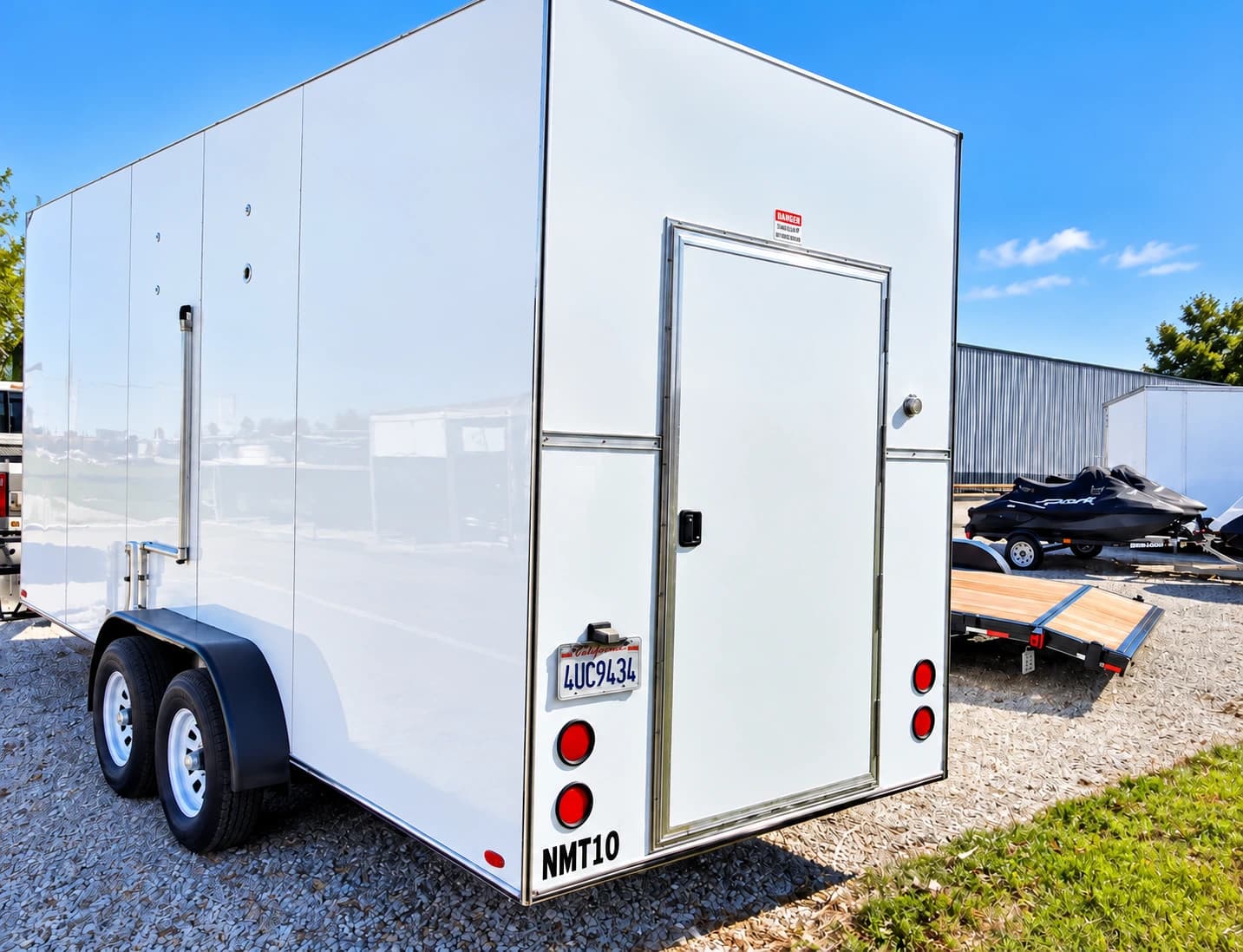
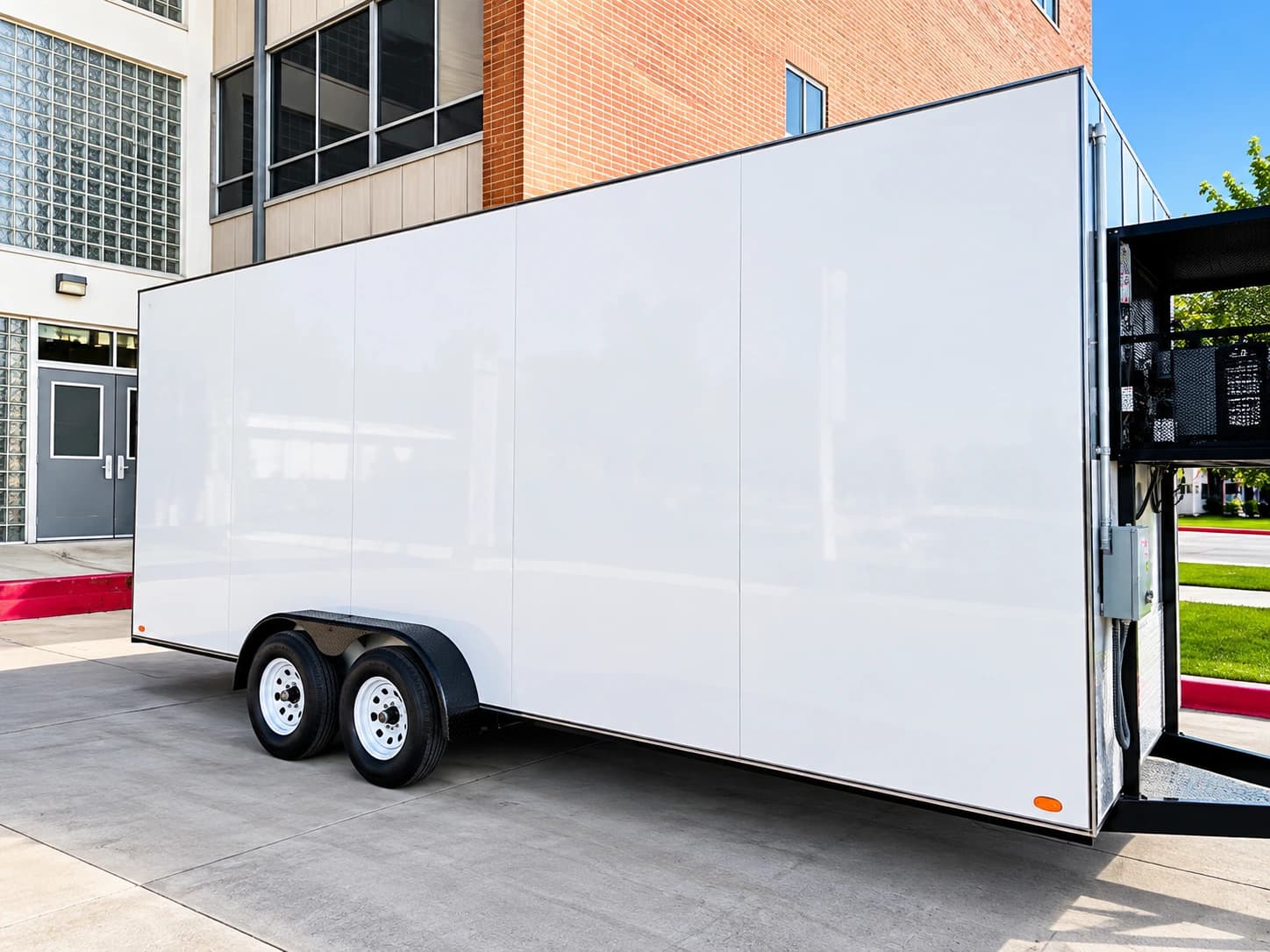
White refrigerated trailer with a rear door parked on a gravel lot
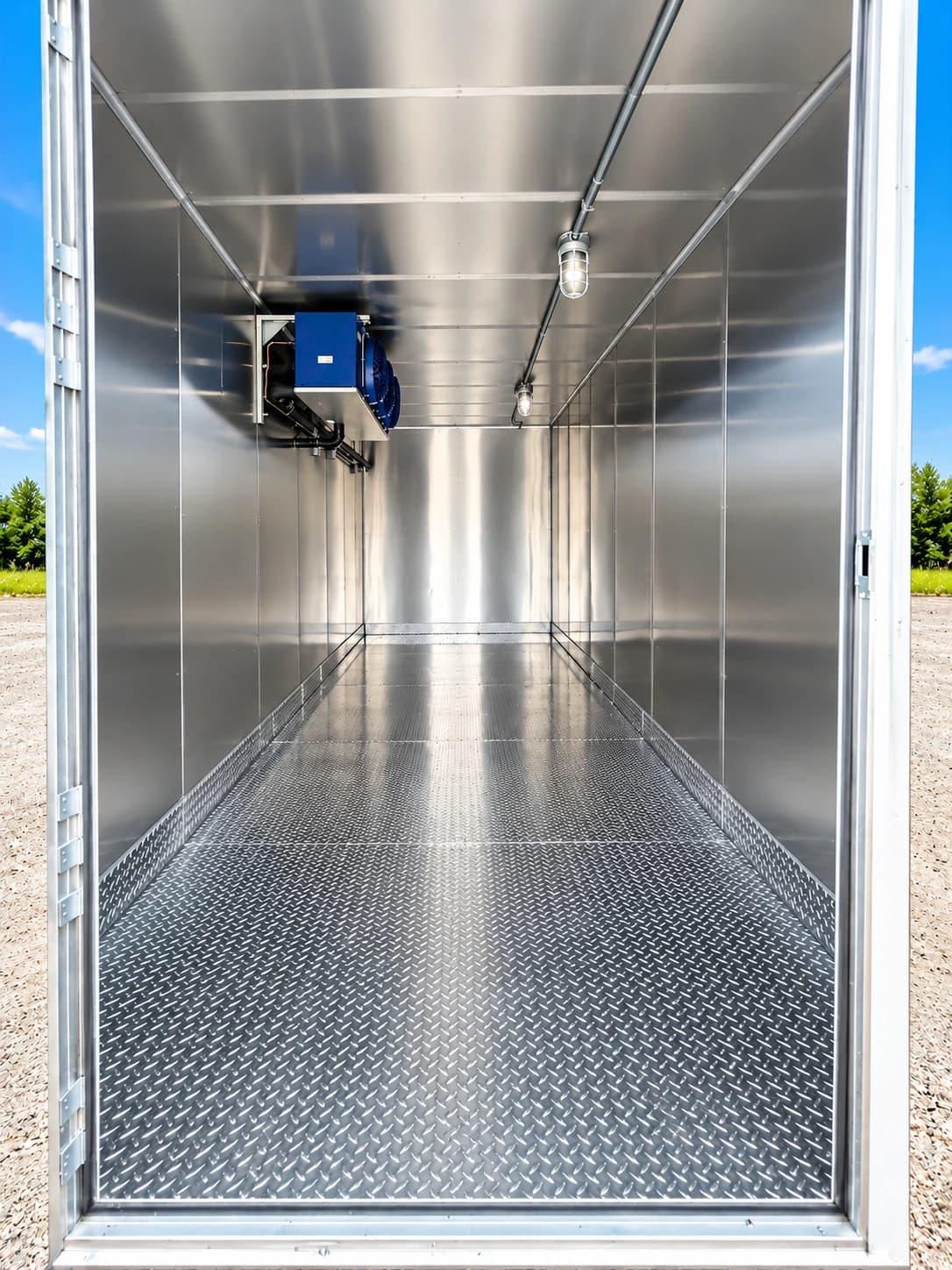
Long stainless steel cold storage interior with a diamond-plate floor and work lights
White refrigerated trailer on a paved lot with a power connection panel at the rear

Rental terms at a glance

Rentals run by the week or by the month, with short-term and long-term options, and we answer calls 24 hours a day, 7 days a week. Setup on site takes about 1 hour for a refrigeration unit and about 5 hours for a kitchen or dishwashing trailer; a ramp adds 4 to 6 hours and stairs add 5 to 15 minutes. GPS tracking is possible on request. Delivery, setup, servicing, and minimum terms are confirmed in your quote, and an inquiry does not reserve equipment.

Cold storage down? Call now.

Emergency refrigeration rentals in Washington.

If a walk-in cooler or freezer has stopped holding temperature, call now. Tell us your city and state, what failed, how much product is at risk, and what power is on site. Keep doors closed to hold the cold while we work out the right trailer or container for you.

Call 24/7: (888) 385-5513

Frequently asked questions

How do I rent a refrigerated trailer in Washington?

Call (888) 385-5513 or send the quote form with the address, what failed, the temperature you need, and the power at your site. We confirm the unit, availability, delivery, and terms in your quote. An inquiry does not reserve equipment.

Which Washington cities do you serve?

Service is nationwide, so we serve commercial and industrial customers across Washington. We list pages for Seattle, Spokane, Tacoma, Vancouver, Bellevue, and College Place and 14 more cities and towns. If your site is elsewhere in the state, call and we will confirm.

Can I rent a refrigerated container in Washington for a long project?

Yes. A 20 ft or 40 ft refrigerated container suits renovations and seasonal peaks in Washington. Rent short term or lease for months, and see the full price rows on each unit page.

Do you rent mobile kitchens and dishwashing trailers in Washington?

Yes. When a Washington kitchen is down, we rent mobile kitchens and commercial dishwashing trailers to pair with refrigeration.

Who regulates food safety in Washington?

Washington State Department of Health (food safety program) (https://doh.wa.gov/community-and-environment/food) is the state agency to start with. Local health departments may add their own rules, so check before placing temporary refrigeration or a temporary kitchen.

What to send for a fast quote

  • The city and state where the unit will sit
  • What failed and how much product is at risk
  • Cooler (32°F) or freezer temperature needed
  • Power available at the site: voltage, phase, and amps
  • Access: gate or door width, surface, and where the unit will be placed
  • How long you expect to need it

Prefer to talk? Call (888) 385-5513 any time.

Request availability and a quote

Need help right now? Call (888) 385-5513. An inquiry does not reserve equipment.

Request availability and a quote

Emergency? Call (888) 385-5513 now, 24 hours a day.

Need help right now? Call (888) 385-5513. An inquiry does not reserve equipment.

Call In 24/7