Emergency refrigeration rentals. Open 24/7.

(888) 385-5513

HHrefrigeration

Oregon Refrigeration Trailer Rentals

Rental refrigeration is available throughout Oregon. When a walk-in cooler or freezer fails, our refrigerated trailer and container rentals put cold storage on your site, along with mobile kitchens and dishwashing trailers if the kitchen is down too. We list pages for Portland, Eugene, Salem, and Gresham and 16 more Oregon cities and towns, and service is nationwide, so a site anywhere in the state is covered. Hospitals, schools, restaurants, grocers, and distributors rent from us, short term or long term. Call 24/7 or request availability and a quote.

Call 24/7: (888) 385-5513

Oregon cities and towns

20 pages: the 5 largest cities, then 15 smaller towns under 10,000 people. Each page has local delivery planning, emergency support, requirements, and routes.

Cities

Largest cities

Smaller cities and towns

What drives cold-storage demand in Oregon

West of the Cascades, summers are warm and dry and winters are chilly, wet and only occasionally snowy; most rain falls from November through March. East of the Cascades the high desert has hotter summers and colder, snowier winters, and the Cascades themselves get hundreds of inches of snow.

The hottest stretch runs june to September. The coldest runs december to February. Both extremes strain commercial refrigeration, and both bring calls for emergency cold storage.

Food producers, distributors, restaurants, and healthcare facilities use trailers and containers for both emergencies and planned work.

Weather and hazards

  • Earthquake (Year-round): The Oregon Department of Emergency Management warns of a possible magnitude 9.0+ Cascadia Subduction Zone earthquake and tsunami; the fault last ruptured in 1700. Coastal communities could be cut off by landslides, liquefaction and damaged bridges. A major quake can interrupt power and roads for extended periods, which can create a need for emergency cold storage and temporary kitchens in affected areas. Source
  • Wildfire (July to October): The 2020 Oregon fire season burned about 1.2 million acres across more than 2,000 fires, destroyed over 3,000 structures and led to roughly 40,000 evacuations, including the Santiam Canyon and Almeda Drive fires. Evacuations and fire damage can close commercial kitchens and cold rooms, and relief or crew feeding operations often need temporary kitchens and refrigeration. Source
  • Ice storm (December to February): The February 2021 ice and snow storm was described by Portland General Electric as the most dangerous conditions in its history, with roughly 350,000 customers out at the peak and some customers out for about a week or more. Multi-day outages after ice storms can spoil refrigerated inventory, which can create a need for temporary refrigerated trailers. Source
  • Heat wave (June to September): Portland set an all-time record of 116 F on June 28, 2021, and the high desert east of the Cascades also set a state record of 119 F in 2021. Extreme heat in areas not built for it can overload refrigeration and strain the grid, which can lead food businesses to add temporary cold storage. Source
  • Flood (November to March): Low-lying valleys such as Tillamook have flooded repeatedly, in 1950, 1953, 1955 and 1996, and winter floods are common there; US 101 is also prone to rain-driven landslide closures. Flooding can damage ground-floor kitchens and cold storage and cut off deliveries, which can create a need for temporary kitchens or refrigerated space. Source

Power outages

  • The February 2021 ice storm left roughly 350,000 Portland General Electric customers without power at the peak, and the utility said restoration could take as long as a week for the last customers. Prolonged outages of this kind often force restaurants and grocers to relocate perishable stock into temporary refrigeration. Source
  • In September 2022, Pacific Power notified about 12,000 customers in six western Oregon counties of potential public safety power shutoffs, and PGE reportedly cut power to about 30,000 customers over fire weather concerns. Planned shutoffs during fire weather can affect food businesses without much notice, which can create a need for backup refrigeration. Source
  • Oregon's investor-owned utilities, including PGE and PacifiCorp, use public safety power shutoffs in high fire-risk zones when dry, windy weather threatens western Oregon. Shutoffs timed to weather events can interrupt cold storage and kitchen operations in rural and foothill communities. Source

Food and hospitality

  • The 2022 USDA Census of Agriculture put Oregon's agricultural product sales at about $6.7 billion, with nurseries and greenhouses, cattle and calves, milk, hay and grass seed among the leading commodities. A broad perishable agriculture base means packers, processors and growers often need cold storage that can run short at harvest peaks. Source
  • Dungeness crab is Oregon's most valuable single-species fishery; the 2024-25 season paid fishermen roughly $97 million, with Newport the leading port by landings. Seafood landings and processing at coastal ports need continuous refrigeration, and temporary capacity can be needed during peak landings or outages. Source
  • Astoria and Newport have significant bottom and mid-water trawl activity for groundfish, the second most valuable commercial fishery after crab. Fish processors and docks depend on ice and cold storage, and temporary refrigerated units can support surge landings. Source
  • Tillamook County has a dairy economy centered on the Tillamook County Creamery Association, which makes cheese, ice cream and yogurt. Dairy production and visitor tourism both rely on cold chain, and flood or outage events can create a need for emergency refrigeration. Source
  • Hood River Valley is known for apple and pear orchards, cherries and wineries, and Salem is a major food-processing center with firms such as Kettle Foods and NORPAC Foods. Fruit packing and food processing create seasonal cold storage peaks that often exceed permanent capacity. Source

Rules, agencies, and roads in Oregon

We rent to commercial and industrial customers only. Before you place temporary refrigeration or a temporary kitchen in Oregon, check local rules. The state agency to start with is Oregon Health Authority, Public Health Division, Food Safety Program. For emergency information, see Oregon Department of Emergency Management.

  • Oregon Health Authority's mobile food unit page says a mobile unit license application goes to the local public health authority for the area where the unit will operate. A mobile kitchen or similar unit generally needs local licensing before it can serve the public. Source
  • Temporary restaurants submit a license application (and fee if applicable) to the local public health authority for the county where they will operate. Event or disaster-related temporary kitchens usually require local approval first. Source
  • Mobile units must go through plan review with the local environmental health department before licensing, and a unit licensed in one county must notify the local health department before operating in another county (ORS 624.320). Plan review and cross-county notification rules can affect how a mobile kitchen is put into service. Source
  • The Oregon Department of Agriculture publishes a retail food establishment power outage fact sheet saying time/temperature control foods must be evaluated to see whether safe temperatures were maintained and sending questions to local inspectors. Operators in an outage can use it to decide what to keep, and may seek temporary cold storage to hold safe temperatures. Source
  • The Oregon Department of Agriculture regulates production, processing and distribution of food products (such as bakeries and home kitchens), while restaurants and mobile units are licensed through local public health authorities under OHA rules. Which agency licenses a given operation depends on its type, so check before placing temporary equipment. Source

Main roads

  • I-5: About 308 miles across Oregon; serves Eugene, Salem, Portland and Willamette Valley cities; Siskiyou Summit (4,310 ft) is often foggy and snowy in winter with chain-up areas.
  • I-84: Runs from Portland through the Columbia River Gorge to Idaho; the Blue Mountains section (summit 4,193 ft) has steep grades, chain-up zones and frequent winter closures and collisions.
  • US-101: About 363 miles along the coast, often the only practical route for coastal towns and prone to landslide closures in heavy rain.
  • US-97: The main corridor east of the Cascades, running from the California line south of Klamath Falls through Bend and Madras to the Columbia River.
  • US-26: Runs through Hillsboro (Sunset Highway), east of Gresham, through Madras and through Nyssa.
  • US-20: Runs through Philomath and Toledo and through Nyssa in eastern Oregon.
  • I-82: Runs through Umatilla, joining I-84 near the Umatilla Chemical Depot.

Events that raise demand

  • Oregon State Fair (Late August through Labor Day): Held on the 185-acre State Fairgrounds in Salem since 1862; the fair itself dates to 1858 and is the city's largest event. Large fairs with many food vendors can create demand for temporary refrigeration, kitchens and warewashing.
  • Portland Rose Festival (June): An annual festival held in Portland each June. Multi-day civic festivals often use temporary food service and cold storage.
  • Eugene summer festivals (Oregon Bach Festival, Oregon Country Fair) (July): Eugene hosts the Oregon Bach Festival at the University of Oregon in July, and the Oregon Country Fair takes place in nearby Veneta in July; Eugene also hosted the 2022 World Athletics Championships. Summer festivals and sports events can create demand for temporary kitchens and refrigerated storage.
  • Hood River Valley Blossom Time and Harvest Fest (April and October): Hood River hosts Blossom Time and a cider fest in April, and Hops Fest and Harvest Fest in October, alongside its orchard economy. Harvest and festival crowds in an orchard region can need temporary cold storage and food service.

Refrigeration equipment to rent in Oregon

Each card shows the lowest printed price. Open a unit for the full price row.

Equipment

12 ft Refrigerated Trailer

Starting from $1,895 / month

The smallest trailer in the lineup. It fits tight lots and loading areas when a small walk-in cooler or freezer goes down.

View details

20 ft Refrigerated Trailer

Starting from $1,895 / month

The workhorse. A 20 ft trailer comes as a 32°F cooler or as a low-temperature freezer configuration, so you can match what failed.

View details

40 ft Refrigerated Container

Starting from $3,995 / month

The largest cold storage option. It takes pallets and bulk product for food distribution, disaster response, and large facilities.

View details

Oregon in the Pacific

Service is available across the whole region. See the Pacific page, or go to a neighboring state:
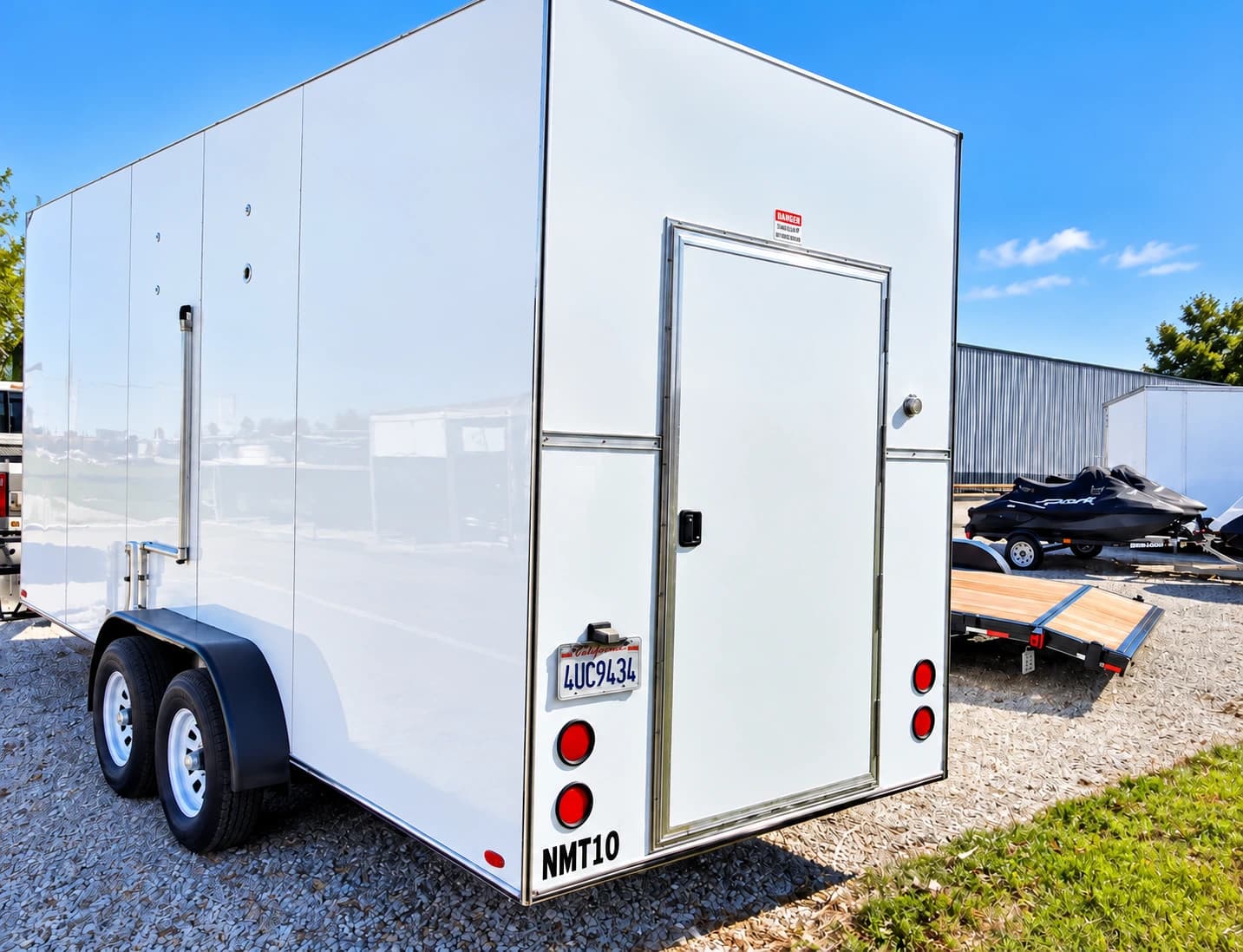
White refrigerated trailer with a rear door parked on a gravel lot
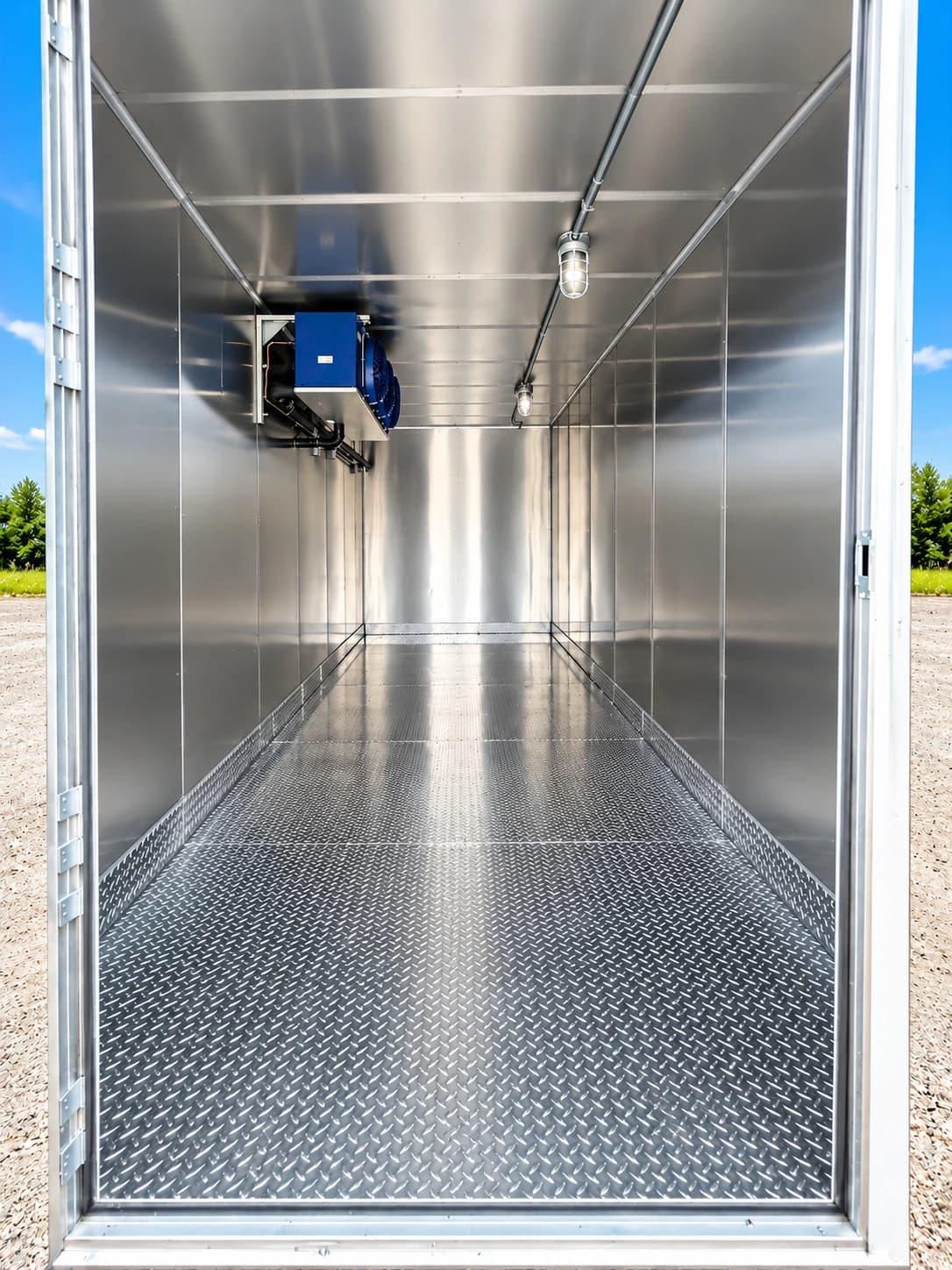
Long stainless steel cold storage interior with a diamond-plate floor and work lights
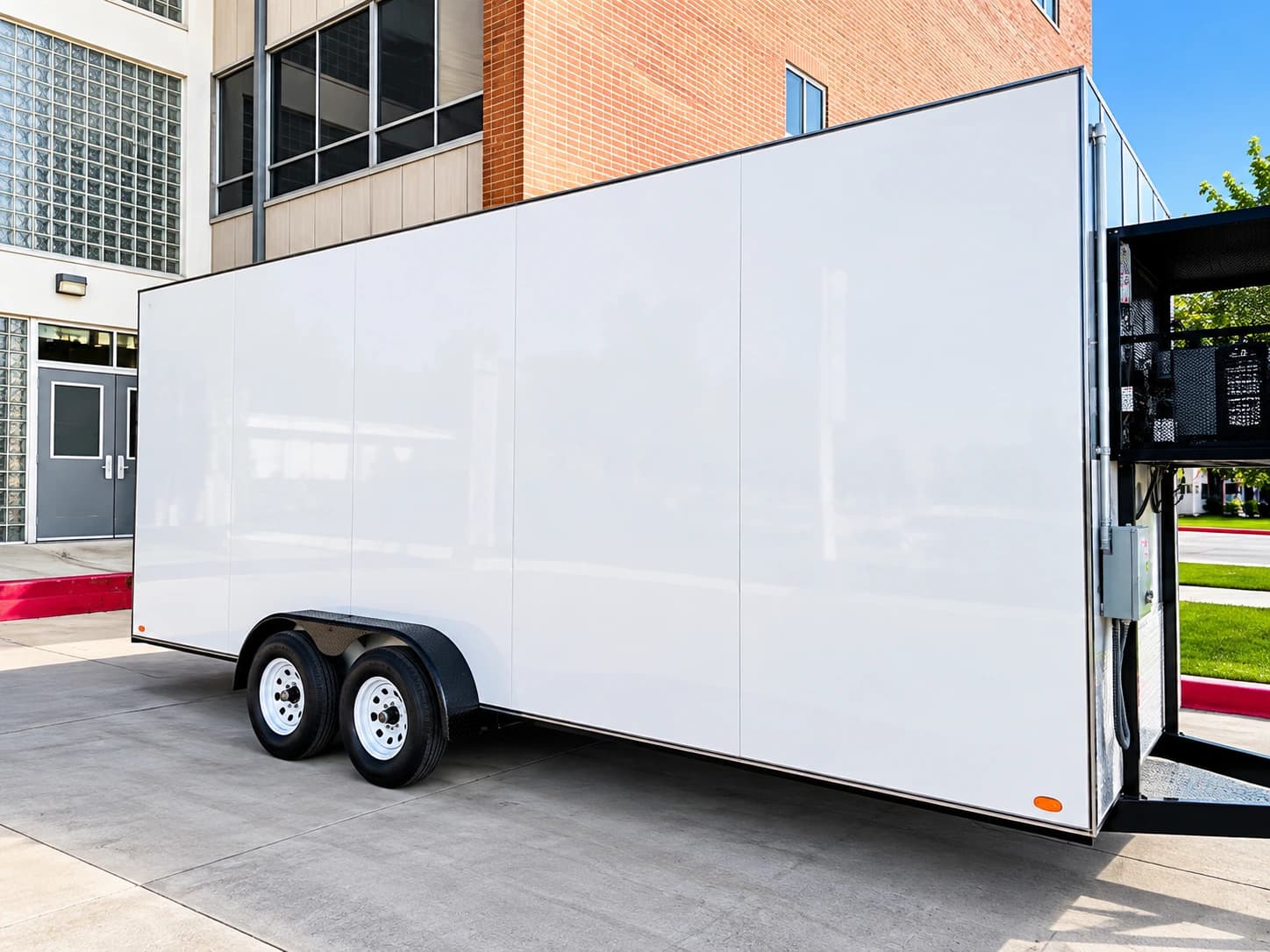
White refrigerated trailer on a paved lot with a power connection panel at the rear

Rental terms at a glance

Rentals run by the week or by the month, with short-term and long-term options, and we answer calls 24 hours a day, 7 days a week. Setup on site takes about 1 hour for a refrigeration unit and about 5 hours for a kitchen or dishwashing trailer; a ramp adds 4 to 6 hours and stairs add 5 to 15 minutes. GPS tracking is possible on request. Delivery, setup, servicing, and minimum terms are confirmed in your quote, and an inquiry does not reserve equipment.

Cold storage down? Call now.

Emergency refrigeration rentals in Oregon.

If a walk-in cooler or freezer has stopped holding temperature, call now. Tell us your city and state, what failed, how much product is at risk, and what power is on site. Keep doors closed to hold the cold while we work out the right trailer or container for you.

Call 24/7: (888) 385-5513

Frequently asked questions

How do I rent a refrigerated trailer in Oregon?

Call (888) 385-5513 or send the quote form with the address, what failed, the temperature you need, and the power at your site. We confirm the unit, availability, delivery, and terms in your quote. An inquiry does not reserve equipment.

Which Oregon cities do you serve?

Service is nationwide, so we serve commercial and industrial customers across Oregon. We list pages for Portland, Eugene, Salem, Gresham, Hillsboro, and Astoria and 14 more cities and towns. If your site is elsewhere in the state, call and we will confirm.

Can I rent a refrigerated container in Oregon for a long project?

Yes. A 20 ft or 40 ft refrigerated container suits renovations and seasonal peaks in Oregon. Rent short term or lease for months, and see the full price rows on each unit page.

Do you rent mobile kitchens and dishwashing trailers in Oregon?

Yes. When a Oregon kitchen is down, we rent mobile kitchens and commercial dishwashing trailers to pair with refrigeration.

Who regulates food safety in Oregon?

Oregon Health Authority, Public Health Division, Food Safety Program (https://www.oregon.gov/oha/ph/healthyenvironments/foodsafety/) is the state agency to start with. Local health departments may add their own rules, so check before placing temporary refrigeration or a temporary kitchen.

What to send for a fast quote

  • The city and state where the unit will sit
  • What failed and how much product is at risk
  • Cooler (32°F) or freezer temperature needed
  • Power available at the site: voltage, phase, and amps
  • Access: gate or door width, surface, and where the unit will be placed
  • How long you expect to need it

Prefer to talk? Call (888) 385-5513 any time.

Request availability and a quote

Need help right now? Call (888) 385-5513. An inquiry does not reserve equipment.

Request availability and a quote

Emergency? Call (888) 385-5513 now, 24 hours a day.

Need help right now? Call (888) 385-5513. An inquiry does not reserve equipment.

Call In 24/7