Emergency refrigeration rentals. Open 24/7.

(888) 385-5513

HHrefrigeration

Hawaii Refrigeration Trailer Rentals

Rental refrigeration is available throughout Hawaii. When a walk-in cooler or freezer fails, our refrigerated trailer and container rentals put cold storage on your site, along with mobile kitchens and dishwashing trailers if the kitchen is down too. We list pages for Honolulu, East Honolulu, Pearl City, and Hilo and 16 more Hawaii cities and towns, and service is nationwide, so a site anywhere in the state is covered. Hospitals, schools, restaurants, grocers, and distributors rent from us, short term or long term. Call 24/7 or request availability and a quote.

Call 24/7: (888) 385-5513

Hawaii cities and towns

20 pages: the 5 largest cities, then 15 smaller towns under 10,000 people. Each page has local delivery planning, emergency support, requirements, and routes.

Cities

Largest cities

Smaller cities and towns

What drives cold-storage demand in Hawaii

Hawaii is warm all year, with sea-level highs of roughly 84 to 88 F in summer and 79 to 83 F in winter, and temperatures rarely above 90 F or below 60 F at low elevations. Humidity is fairly high year-round, about 68 percent annually in Honolulu and 79 percent in Hilo. The wetter season runs from October to April, with the heaviest rain on windward coasts.

The hottest stretch runs may to October. The coldest runs december to March. Both extremes strain commercial refrigeration, and both bring calls for emergency cold storage.

Hospitals, grocers, and hospitality operations need dependable cold storage when equipment fails and replacement parts take time to arrive.

Weather and hazards

  • Hurricane (June to November): Hurricane Iniki struck Kauai on September 11, 1992, destroying 1,421 houses and leaving the whole island without power for an extended period. True hurricanes are rare, but tropical storms are more frequent. Hurricane damage and long power outages can create a need for emergency cold storage and temporary kitchens on islands where resupply is slow. Source
  • Wildfire (Mainly the dry season, May to September): Wind-driven fires on August 8, 2023 destroyed more than 2,200 structures on Maui and killed at least 102 people in Lahaina. Fires also burned in Kula and Kihei, and unsafe water alerts were issued for Lahaina and Upper Kula. Wildfire can displace residents and shut down businesses and water, which can create a need for temporary kitchens, relief feeding and warewashing. Source
  • Other (Year-round): Tsunamis from distant earthquakes have repeatedly hit Hilo: the 1946 tsunami killed 96 people and the 1960 tsunami killed 61. The bayfront has been destroyed twice. Tsunami evacuations and coastal damage can interrupt waterfront food businesses and create a need for temporary storage and kitchens. Source
  • Other (Year-round): The 2018 lower Puna eruption displaced about 2,000 residents and destroyed roughly 700 homes. Lava cut Highway 132 and shut down a geothermal plant that supplied about 25 percent of the island's power. Volcanic eruptions can cut roads and power in rural districts, which can create a need for emergency cold storage and temporary kitchens. Source
  • Flood (October to April): Hurricane Lane in August 2018 was the wettest tropical cyclone on record in Hawaii, and Hilo had 31.85 inches of rain in three days. Flooding and storm outages can ruin refrigerated food and idle kitchens, which can create a need for temporary cold storage and warewashing. Source

Power outages

  • After Hurricane Iniki in 1992, only about 20 percent of power on Kauai was restored within four weeks and most of the island had power about six weeks after the storm. Long outages on an island can leave commercial kitchens and refrigeration out for weeks. Source
  • Hawaiian Electric launched a Public Safety Power Shutoff program in 2024 covering high wildfire-risk areas of Oahu, Maui, Molokai and Hawaii Island, including roughly 24,800 Maui customers and 19,300 Hawaii Island customers. Planned shutoffs during high winds can interrupt refrigeration for food businesses in affected areas. Source
  • During the August 2023 windstorm, about 30 utility poles fell on Maui, causing at least 15 outages that affected over 12,400 customers. Wind-driven outages can strike with little warning and affect cold storage. Source
  • Hurricane Lane in 2018 left about 4,500 Big Island customers without power and caused flooding that damaged roads and bridges. Storm outages and road damage can disrupt both refrigeration and resupply. Source

Food and hospitality

  • Commonly cited estimates put Hawaii's food imports at 85 to 90 percent, though a state report notes that a definitive figure has not been derived. A state that relies on shipped food depends heavily on cold storage at ports and distribution points. Source
  • Tourism contributes about $10 billion a year to Honolulu's economy, and the city and state import most goods. Hotels, restaurants and event caterers need steady refrigeration and warewashing capacity. Source
  • USDA reported over 7,300 Hawaii farm operations on about 1.1 million acres in 2022, with coffee the second-largest crop at $102.9 million in the 2019-2020 harvest. Harvest-season produce and specialty crops can require temporary cold storage. Source
  • Mauna Loa Macadamia Nut Corporation, the world's largest macadamia processor, is headquartered near Hilo. Food processing and shipping of agricultural products depend on temperature-controlled handling. Source
  • Hilo Harbor is the largest harbor on Hawaii Island, and Waipahu is home to Clover Leaf Dairy, described as the only commercial dairy in the state. Ports and the state's only commercial dairy rely on cold storage and cold-chain distribution. Source

Rules, agencies, and roads in Hawaii

We rent to commercial and industrial customers only. Before you place temporary refrigeration or a temporary kitchen in Hawaii, check local rules. The state agency to start with is Hawaii Department of Health, Food Safety Branch. For emergency information, see Hawaii Emergency Management Agency.

  • The Department of Health Food Safety Branch handles food establishment permits and special event food establishment permits. Anyone operating a temporary or mobile kitchen should contact the Food Safety Branch about permits. Source
  • A DOH procedures document for mobile food establishments says a permit application and fee must be submitted, along with a separate plan review application, drawn plans and a review fee. Mobile kitchens and similar units face plan review before a permit is issued. Source
  • A UH CTAHR guide says food events that serve the public, such as fairs and fundraisers, require a temporary food permit from the Department of Health, applied for at the local Sanitation Branch office before the event. Temporary event kitchens need advance permit applications. Source
  • A DOH Food Safety Branch enforcement release says food establishments must close during a power outage and that refrigeration equipment must always be operational. A food business that loses power may need to close, and temporary refrigeration can help restore compliant cold holding before reopening. Source
  • DOH's March 2026 flood guidance says refrigerated food is safe for less than four hours without power, frozen food lasts up to 24 hours in a half-full freezer or 48 hours in a full one, and food touched by floodwater should be discarded. These limits show why quickly restoring cold storage after an outage matters. Source

Main roads

  • H-1: Oahu's main east-west Interstate, running from Kapolei through Honolulu.
  • H-2: Runs from H-1 in Pearl City north to Wahiawa on Oahu.
  • H-3: Runs from H-1 and H-201 at Halawa to Marine Corps Base Hawaii; opened in 1997.
  • Hawaii Belt Road (Routes 11 and 19): Route 11 runs about 122 miles from Kailua-Kona to Hilo, and Route 19 about 99 miles from Kailua-Kona to the Port of Hilo; they form Hawaii Island's main loop.
  • Hana Highway (Route 360): Winding road of about 35 miles to Hana Bay on Maui; Hana is reached mainly by this route.
  • Kuhio Highway (Route 56): Runs about 28 miles from Lihue to Princeville on Kauai.
  • Kamehameha Highway: Named highway spanning several routes on Oahu; Route 99 runs from H-1 in Honolulu to Haleiwa on the North Shore.
  • Farrington Highway (Route 93): Runs about 20 miles from H-1 at Ko Olina to Kaena Point State Park on Oahu's west coast.

Events that raise demand

  • Merrie Monarch Festival (March or April, the week after Easter): The week-long hula festival begins on Easter Sunday in Hilo, with competition on the following Thursday through Saturday at Edith Kanakaole Stadium. A major festival week can raise demand for food service and cold storage in Hilo.
  • Honolulu Marathon (December): Held on the second Sunday of December, the race typically has about 20,000 finishers each year. Large race weekends often need temporary kitchens, hydration and food storage at venues.
  • Ironman World Championship (October): The Ironman World Championship has been held in Kailua-Kona on Hawaii Island each autumn since 1982, and both the men's and women's races return to Kona in 2026. Athlete and spectator crowds can raise demand for temporary food service and cold storage on the Kona coast.
  • Waimea Cherry Blossom Heritage Festival and Parker Ranch events (February and July): Waimea on Hawaii Island hosts the Cherry Blossom Heritage Festival in early February and a rodeo and horse races at Parker Ranch every July 4. Festivals and rodeo crowds can create temporary demand for kitchens and refrigerated storage.

Refrigeration equipment to rent in Hawaii

Each card shows the lowest printed price. Open a unit for the full price row.

Equipment

12 ft Refrigerated Trailer

Starting from $1,895 / month

The smallest trailer in the lineup. It fits tight lots and loading areas when a small walk-in cooler or freezer goes down.

View details

20 ft Refrigerated Trailer

Starting from $1,895 / month

The workhorse. A 20 ft trailer comes as a 32°F cooler or as a low-temperature freezer configuration, so you can match what failed.

View details

40 ft Refrigerated Container

Starting from $3,995 / month

The largest cold storage option. It takes pallets and bulk product for food distribution, disaster response, and large facilities.

View details

Hawaii in the Alaska and Hawaii

Service is available across the whole region. See the Alaska and Hawaii page, or go to a neighboring state:
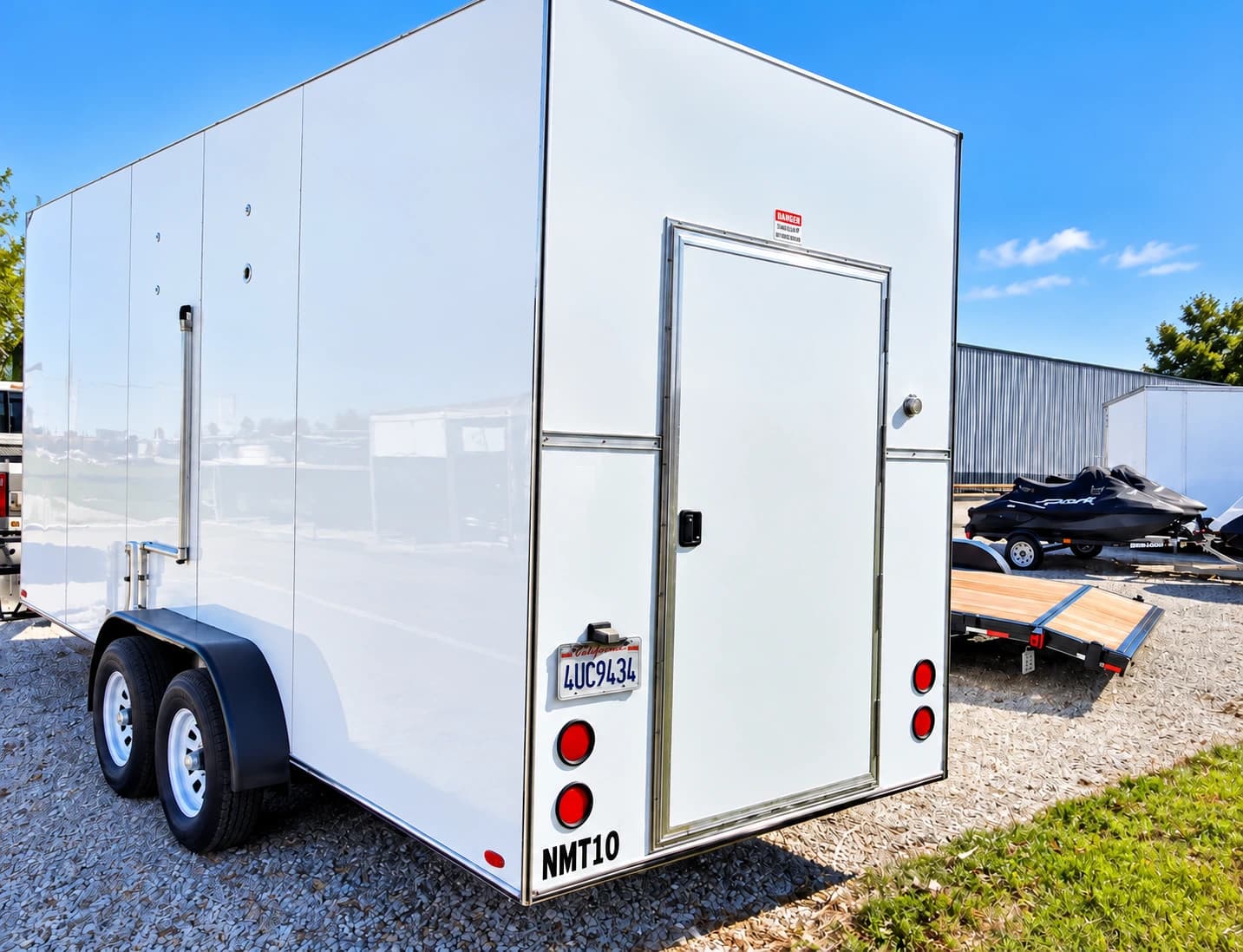
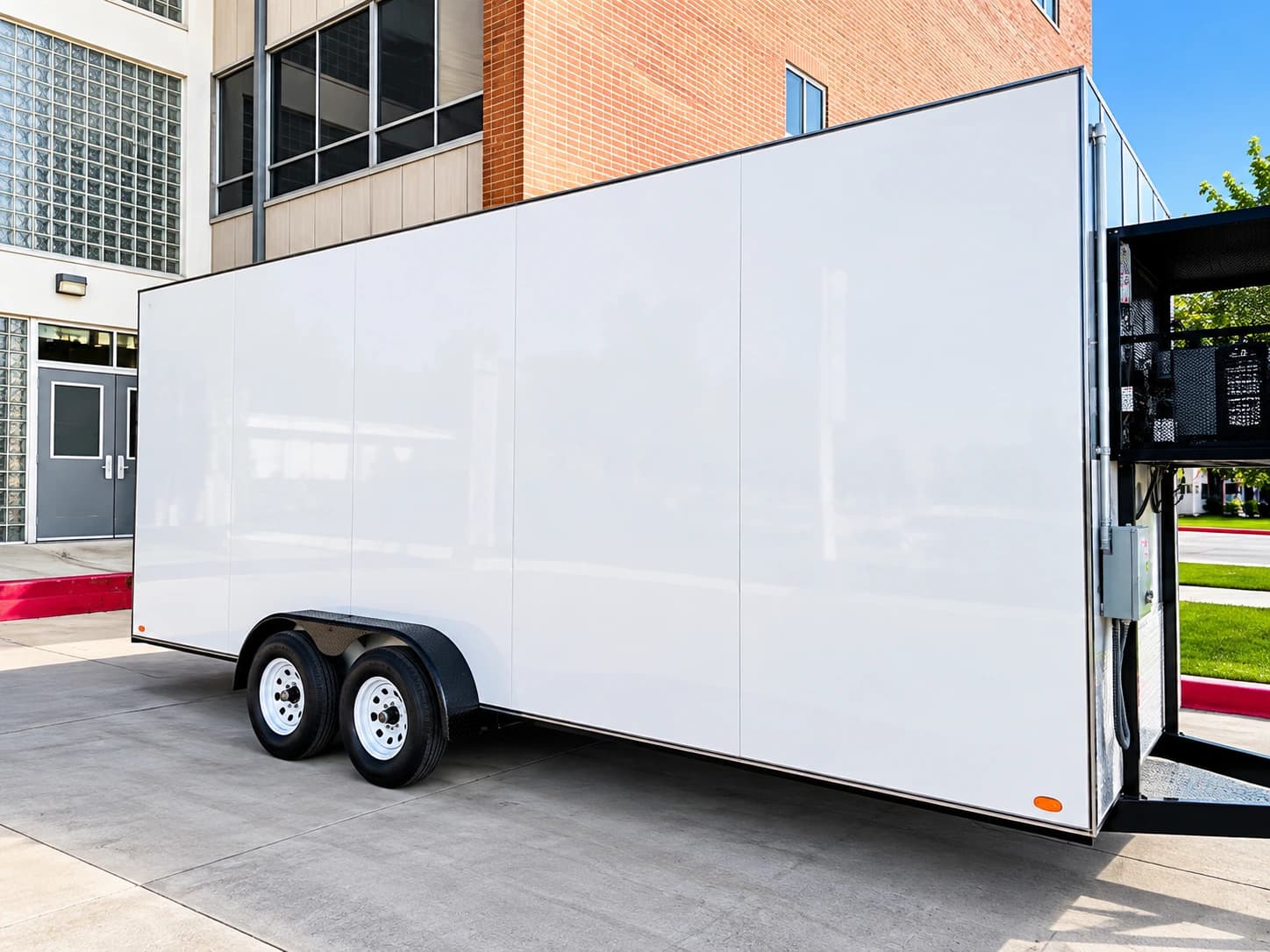
White refrigerated trailer with a rear door parked on a gravel lot
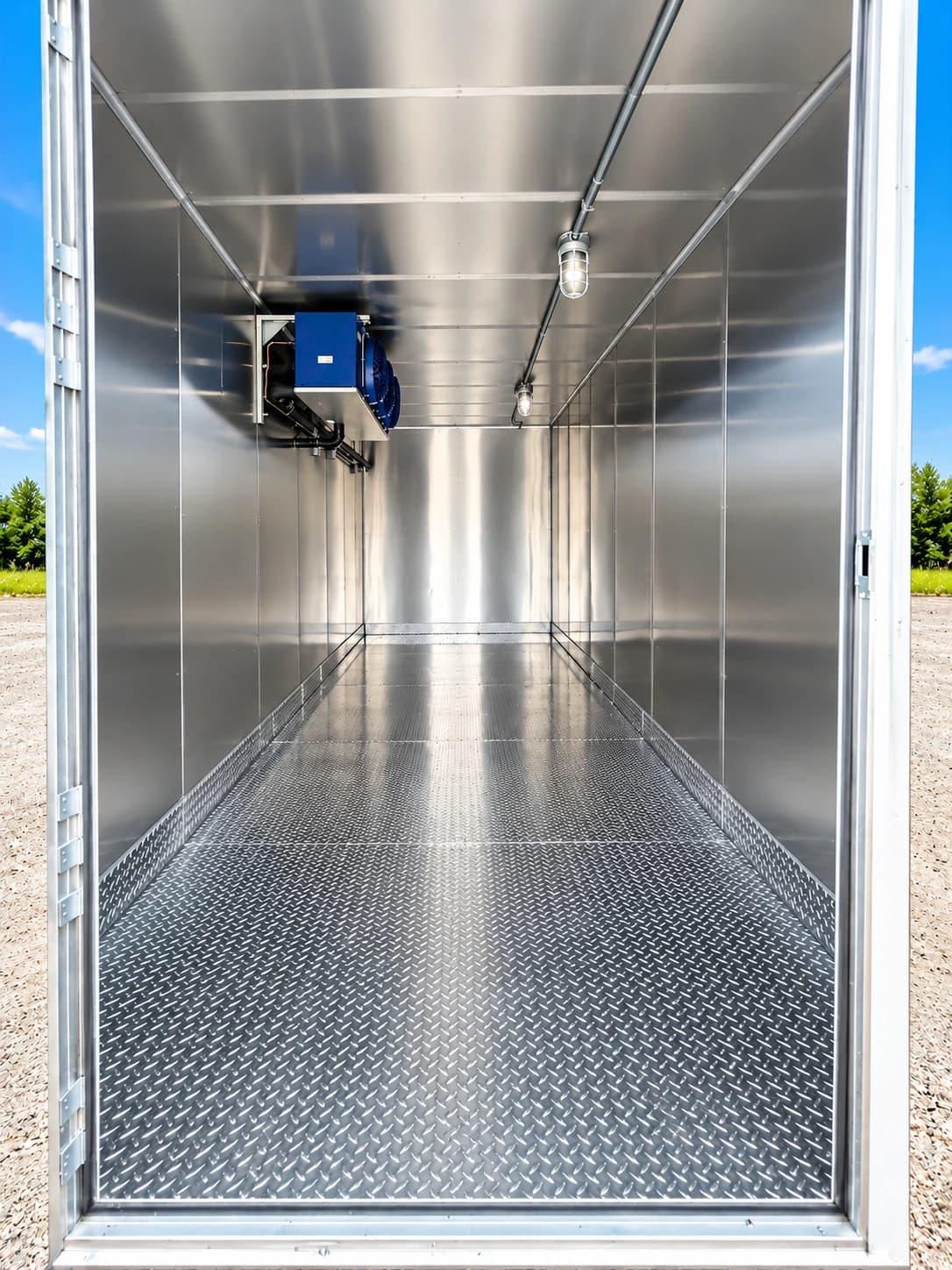
Long stainless steel cold storage interior with a diamond-plate floor and work lights
White refrigerated trailer on a paved lot with a power connection panel at the rear

Rental terms at a glance

Rentals run by the week or by the month, with short-term and long-term options, and we answer calls 24 hours a day, 7 days a week. Setup on site takes about 1 hour for a refrigeration unit and about 5 hours for a kitchen or dishwashing trailer; a ramp adds 4 to 6 hours and stairs add 5 to 15 minutes. GPS tracking is possible on request. Delivery, setup, servicing, and minimum terms are confirmed in your quote, and an inquiry does not reserve equipment.

Cold storage down? Call now.

Emergency refrigeration rentals in Hawaii.

If a walk-in cooler or freezer has stopped holding temperature, call now. Tell us your city and state, what failed, how much product is at risk, and what power is on site. Keep doors closed to hold the cold while we work out the right trailer or container for you.

Call 24/7: (888) 385-5513

Frequently asked questions

How do I rent a refrigerated trailer in Hawaii?

Call (888) 385-5513 or send the quote form with the address, what failed, the temperature you need, and the power at your site. We confirm the unit, availability, delivery, and terms in your quote. An inquiry does not reserve equipment.

Which Hawaii cities do you serve?

Service is nationwide, so we serve commercial and industrial customers across Hawaii. We list pages for Honolulu, East Honolulu, Pearl City, Hilo, Waipahu, and Waimea and 14 more cities and towns. If your site is elsewhere in the state, call and we will confirm.

Can I rent a refrigerated container in Hawaii for a long project?

Yes. A 20 ft or 40 ft refrigerated container suits renovations and seasonal peaks in Hawaii. Rent short term or lease for months, and see the full price rows on each unit page.

Do you rent mobile kitchens and dishwashing trailers in Hawaii?

Yes. When a Hawaii kitchen is down, we rent mobile kitchens and commercial dishwashing trailers to pair with refrigeration.

Who regulates food safety in Hawaii?

Hawaii Department of Health, Food Safety Branch (https://health.hawaii.gov/san/) is the state agency to start with. Local health departments may add their own rules, so check before placing temporary refrigeration or a temporary kitchen.

What to send for a fast quote

  • The city and state where the unit will sit
  • What failed and how much product is at risk
  • Cooler (32°F) or freezer temperature needed
  • Power available at the site: voltage, phase, and amps
  • Access: gate or door width, surface, and where the unit will be placed
  • How long you expect to need it

Prefer to talk? Call (888) 385-5513 any time.

Request availability and a quote

Need help right now? Call (888) 385-5513. An inquiry does not reserve equipment.

Request availability and a quote

Emergency? Call (888) 385-5513 now, 24 hours a day.

Need help right now? Call (888) 385-5513. An inquiry does not reserve equipment.

Call In 24/7