Emergency refrigeration rentals. Open 24/7.

(888) 385-5513

HHrefrigeration

Alaska Refrigeration Trailer Rentals

Rental refrigeration is available throughout Alaska. When a walk-in cooler or freezer fails, our refrigerated trailer and container rentals put cold storage on your site, along with mobile kitchens and dishwashing trailers if the kitchen is down too. We list pages for Anchorage, Fairbanks, Juneau, and Wasilla and 14 more Alaska cities and towns, and service is nationwide, so a site anywhere in the state is covered. Hospitals, schools, restaurants, grocers, and distributors rent from us, short term or long term. Call 24/7 or request availability and a quote.

Call 24/7: (888) 385-5513

Alaska cities and towns

18 pages: the 3 largest cities, then 15 smaller towns under 10,000 people. Each page has local delivery planning, emergency support, requirements, and routes.

Cities

Largest cities

Smaller cities and towns

What drives cold-storage demand in Alaska

Alaska spans several climates. Coastal Southeast and South-central have cool summers and moderate winters, with July highs in the mid 60s F in Juneau and Anchorage. The Interior, around Fairbanks, can reach the 90s F in summer and fall below -50 F in winter, while the Arctic coast stays below freezing for much of the year.

The hottest stretch runs june to August. The coldest runs december to February. Both extremes strain commercial refrigeration, and both bring calls for emergency cold storage.

Hospitals, grocers, and hospitality operations need dependable cold storage when equipment fails and replacement parts take time to arrive.

Weather and hazards

  • Earthquake (Year-round): A magnitude 7.1 earthquake struck about 10 miles north of Anchorage on November 30, 2018, damaging the Glenn Highway and halting the Alaska Railroad. The 1964 Good Friday earthquake was magnitude 9.2. Quake damage to roads, rail and power can interrupt food deliveries and refrigeration, which can create a need for emergency cold storage or a temporary kitchen. Source
  • Wildfire (June to August): Preliminary 2024 figures showed about 375 fires burning a little over 667,000 acres, with smoke events affecting some communities. The 2022 season passed 3 million acres by late July. Smoke, evacuations and road closures can disrupt restaurants, camps and food supply chains, which can create a need for temporary kitchens or extra cold storage. Source
  • Flood (September to October): Remnants of Typhoon Merbok hit western Alaska in September 2022, flooding communities along roughly 1,000 miles of coast. Nome saw its highest water level since the 1974 storm, and some communities lost power. Coastal flooding and power disruptions in remote communities can leave food stores and kitchens unusable, which can create a need for emergency cold storage or temporary food service. Source
  • Winter storm (November to March): Fairbanks has recorded -66 F, and winter ice fog and temperature inversions are common in the Tanana Valley. Utqiagvik stays below freezing from early October through late May. Severe cold can cause heating and equipment failures at food operations, and can create a need for temporary kitchens or freeze-protected storage. Source
  • Other (Year-round): Volcanic ash from Mount Redoubt (2009) and Mount Spurr (1992) has affected Anchorage. Glacial outburst floods from Suicide Basin recur in Juneau, and the 2024 event was declared a disaster. Ash fall and flooding can close facilities and disrupt power, which can create a need for temporary cold storage or kitchens. Source

Power outages

  • Cook Inlet natural gas fueled nearly two-thirds of Railbelt electricity in 2022, and in January 2025 utilities and state attorneys warned that rolling blackouts were possible in a cold snap as supply tightened. Grid stress in the most populated part of the state can raise the risk of outages that spoil refrigerated food and idle commercial kitchens. Source
  • After the November 2018 earthquake, Matanuska Electric Association reported 46,000 customers without electricity immediately. A sudden regional outage can force restaurants, grocers and food processors to look for backup refrigeration. Source
  • Juneau is not connected to the road grid, and a 2008 avalanche knocked out its power lines and forced a costly switch to diesel generation. Isolated systems with a single supply line can lose power for extended periods, which often affects cold storage and kitchens. Source

Food and hospitality

  • The Port of Alaska in Anchorage handles about 95 percent of goods destined for Alaska, with ships arriving twice weekly from Tacoma, Washington. Most food enters Alaska through one port, so refrigerated storage near the supply chain matters during disruptions or peak demand. Source
  • Ted Stevens Anchorage International Airport ranked third in the world for cargo volume in 2025 and is a FedEx hub. Air-freight perishables moving through Anchorage can require temperature-controlled holding space. Source
  • Dutch Harbor in Unalaska is described as the largest fisheries port in the U.S. by volume caught, and has held that rank nearly every year since 1981. Large seafood landings depend on cold storage and processing capacity, which can run short at peak times. Source
  • A 2020 McDowell Group study for the Alaska Seafood Marketing Institute estimated Alaska seafood supports over 100,000 full-time-equivalent jobs nationally and about $13.9 billion in economic output. A seafood industry of this scale relies on refrigerated and frozen storage throughout the harvest season. Source
  • The Nushagak district around Dillingham averages about 6.4 million salmon a year, making the city a hub for the Bristol Bay sockeye fishery. Short, intense salmon runs can create temporary peaks in demand for cold storage and worker kitchens. Source

Rules, agencies, and roads in Alaska

We rent to commercial and industrial customers only. Before you place temporary refrigeration or a temporary kitchen in Alaska, check local rules. The state agency to start with is Alaska Department of Environmental Conservation, Food Safety and Sanitation Program. For emergency information, see Alaska Division of Homeland Security and Emergency Management.

  • Under 18 AAC 31 (the Alaska Food Code), an applicant must apply for a food establishment permit at least 30 days before construction, starting operation, or a change of operator. Anyone planning a temporary or mobile kitchen should allow lead time for DEC permitting. Source
  • For a new or extensively remodeled establishment, the permit application must include the plan-review information required by 18 AAC 31.040. A new temporary kitchen or warewashing setup can trigger DEC plan review. Source
  • Permits renew each year by December 31, but operators who run only in summer renew by May 1. Seasonal operations, such as fish camps and tourist kitchens, face an earlier renewal date. Source
  • DEC's emergency guidance says time and temperature are the key factors after a power outage, treats an extended outage as an imminent health hazard, and asks operators to contact the program before reopening. Food businesses hit by an outage often must document temperatures and restore compliant refrigeration and hot water before reopening. Source
  • DEC offers a separate Temporary Food Service Permit Application for short-term events, distinct from the standard food establishment permit. Event caterers using a temporary kitchen should confirm which permit applies before setup. Source

Main roads

  • Alaska Highway (AK-2): Enters Alaska at Beaver Creek, runs through Tok, and ends at Delta Junction; the full highway is about 1,387 miles and is the main overland link to Canada and the Lower 48.
  • Glenn Highway (AK-1): Runs 179 miles from Anchorage to Glennallen, peaking at Eureka Summit (3,332 ft); the first 38 miles are freeway to Wasilla.
  • George Parks Highway (AK-3): A 323-mile route from the Anchorage area through Wasilla to Fairbanks, and the main access to Denali National Park.
  • Richardson Highway (AK-4/AK-2): About 368 miles from Valdez to Fairbanks; Thompson Pass is described as treacherous, and the road parallels the Trans-Alaska Pipeline.
  • Seward Highway (AK-9/AK-1): About 125 miles from Seward to Anchorage along Turnagain Arm; up to 15,000 vehicles a day use the Girdwood to Ingram Creek stretch in summer.
  • Sterling Highway (AK-1): Runs from Tern Lake Junction on the Seward Highway to Homer, and is the only road in the western and central Kenai Peninsula.
  • Dalton Highway (AK-11): A 414-mile mostly unpaved road from Livengood to Deadhorse that crosses Atigun Pass (4,739 ft); fuel and services are very limited.

Events that raise demand

  • Iditarod Trail Sled Dog Race (March): The race starts on the first Saturday in March with a ceremonial start in downtown Anchorage and an official restart in Willow, and finishes in Nome. Crowds at the start and finish towns can raise demand for temporary kitchens and cold storage.
  • Alaska State Fair (Late August to early September): Held in Palmer, the fair drew 370,485 visitors in 2024 and typically has 50 to 70 food vendors. A fair of this size often needs extra refrigeration and warewashing capacity for vendors.
  • Kenai River personal-use dipnet fishery (July): The July dipnet fishery draws more than 10,000 extra people to the city of Kenai. A short surge in visitors can strain food service and create demand for temporary kitchens and fish cold storage.
  • Southeast Alaska cruise season (May to September): Cruise ships bring more than 16,000 visitors a day to Juneau from May to September, and cruise tourism generated $375 million in direct spending in 2023. Seasonal peaks in visitors can raise demand for temporary food service and refrigerated storage.
  • Fairbanks summer and winter festivals (February and July to August): Fairbanks hosts the World Ice Art Championships (February), Golden Days and the World Eskimo Indian Olympics (July), and the Tanana Valley State Fair (July and August). Festival crowds can create temporary demand for kitchens, warewashing and cold storage.

Refrigeration equipment to rent in Alaska

Each card shows the lowest printed price. Open a unit for the full price row.

Equipment

12 ft Refrigerated Trailer

Starting from $1,895 / month

The smallest trailer in the lineup. It fits tight lots and loading areas when a small walk-in cooler or freezer goes down.

View details

20 ft Refrigerated Trailer

Starting from $1,895 / month

The workhorse. A 20 ft trailer comes as a 32°F cooler or as a low-temperature freezer configuration, so you can match what failed.

View details

40 ft Refrigerated Container

Starting from $3,995 / month

The largest cold storage option. It takes pallets and bulk product for food distribution, disaster response, and large facilities.

View details

Alaska in the Alaska and Hawaii

Service is available across the whole region. See the Alaska and Hawaii page, or go to a neighboring state:
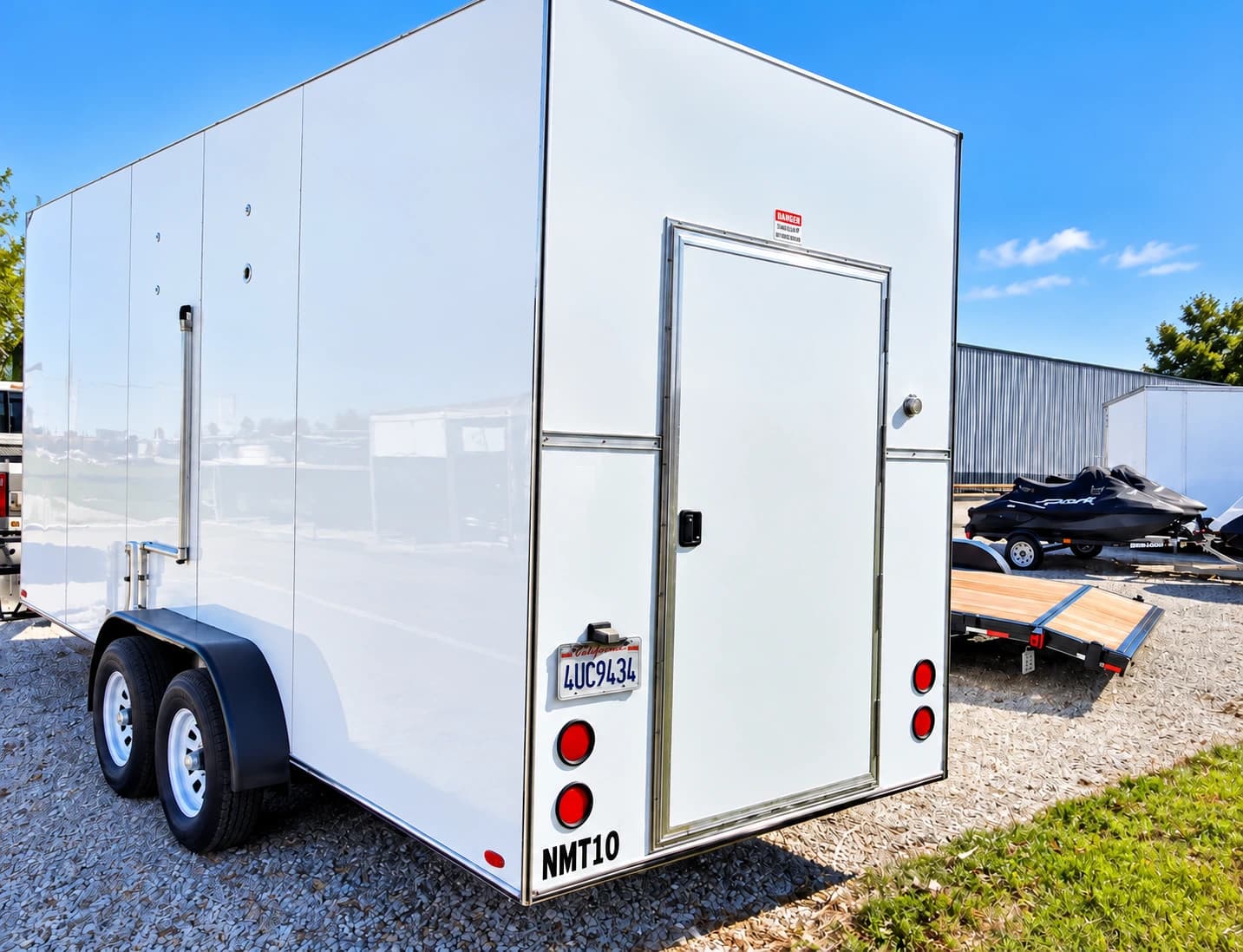
White refrigerated trailer with a rear door parked on a gravel lot
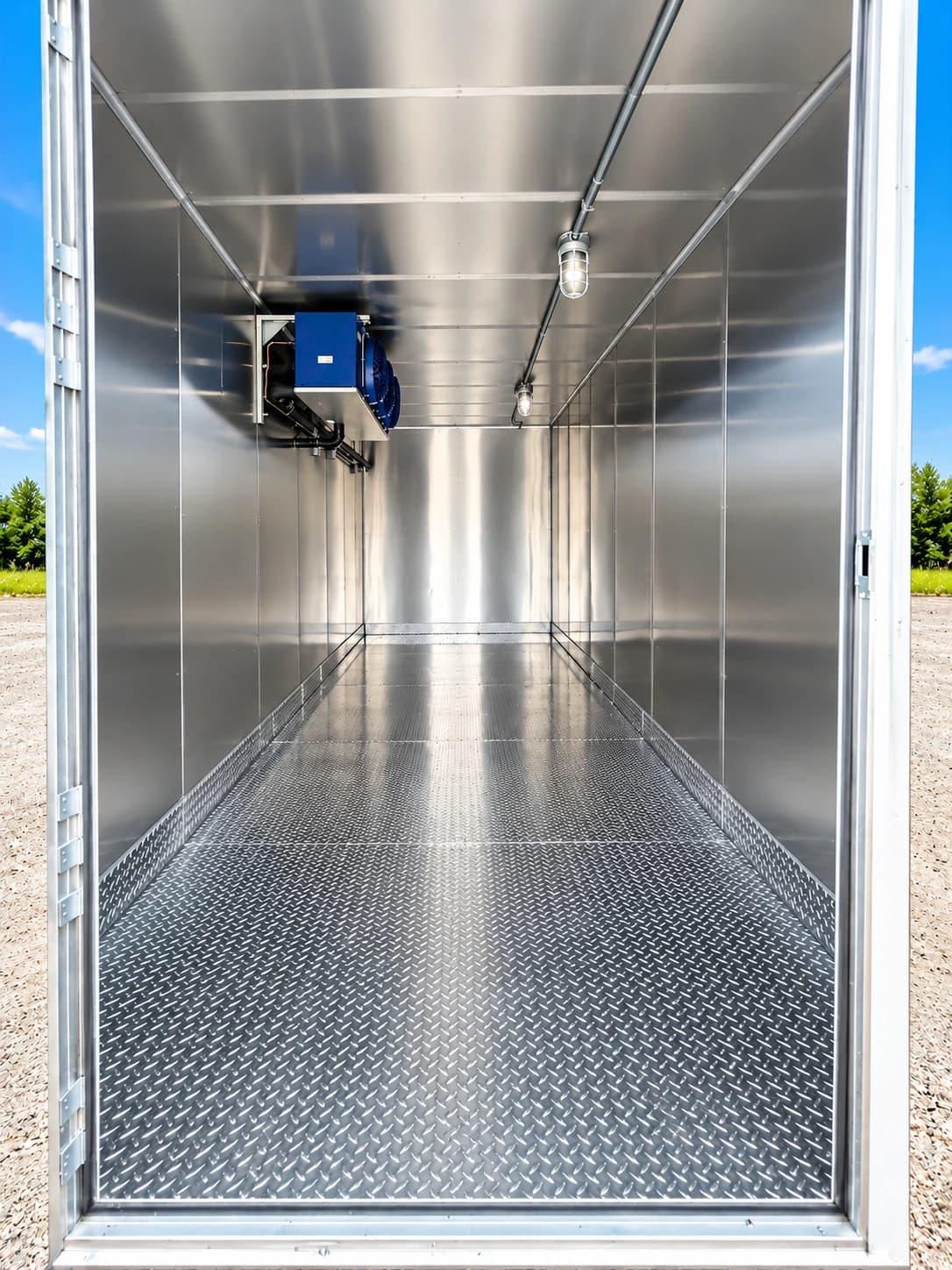
Long stainless steel cold storage interior with a diamond-plate floor and work lights
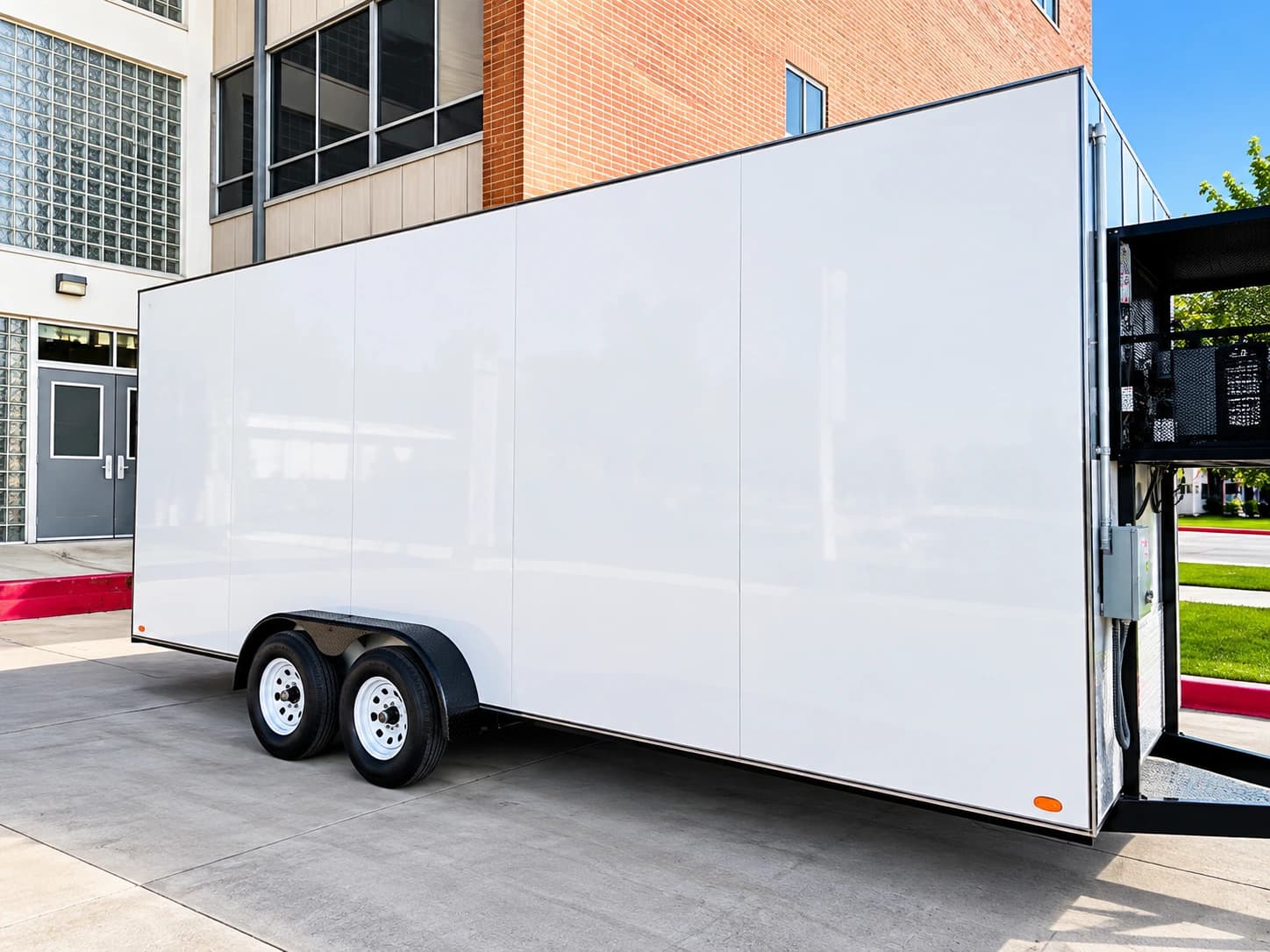
White refrigerated trailer on a paved lot with a power connection panel at the rear

Rental terms at a glance

Rentals run by the week or by the month, with short-term and long-term options, and we answer calls 24 hours a day, 7 days a week. Setup on site takes about 1 hour for a refrigeration unit and about 5 hours for a kitchen or dishwashing trailer; a ramp adds 4 to 6 hours and stairs add 5 to 15 minutes. GPS tracking is possible on request. Delivery, setup, servicing, and minimum terms are confirmed in your quote, and an inquiry does not reserve equipment.

Cold storage down? Call now.

Emergency refrigeration rentals in Alaska.

If a walk-in cooler or freezer has stopped holding temperature, call now. Tell us your city and state, what failed, how much product is at risk, and what power is on site. Keep doors closed to hold the cold while we work out the right trailer or container for you.

Call 24/7: (888) 385-5513

Frequently asked questions

How do I rent a refrigerated trailer in Alaska?

Call (888) 385-5513 or send the quote form with the address, what failed, the temperature you need, and the power at your site. We confirm the unit, availability, delivery, and terms in your quote. An inquiry does not reserve equipment.

Which Alaska cities do you serve?

Service is nationwide, so we serve commercial and industrial customers across Alaska. We list pages for Anchorage, Fairbanks, Juneau, Wasilla, Sitka, and Ketchikan and 12 more cities and towns. If your site is elsewhere in the state, call and we will confirm.

Can I rent a refrigerated container in Alaska for a long project?

Yes. A 20 ft or 40 ft refrigerated container suits renovations and seasonal peaks in Alaska. Rent short term or lease for months, and see the full price rows on each unit page.

Do you rent mobile kitchens and dishwashing trailers in Alaska?

Yes. When a Alaska kitchen is down, we rent mobile kitchens and commercial dishwashing trailers to pair with refrigeration.

Who regulates food safety in Alaska?

Alaska Department of Environmental Conservation, Food Safety and Sanitation Program (https://dec.alaska.gov/eh/fss/) is the state agency to start with. Local health departments may add their own rules, so check before placing temporary refrigeration or a temporary kitchen.

What to send for a fast quote

  • The city and state where the unit will sit
  • What failed and how much product is at risk
  • Cooler (32°F) or freezer temperature needed
  • Power available at the site: voltage, phase, and amps
  • Access: gate or door width, surface, and where the unit will be placed
  • How long you expect to need it

Prefer to talk? Call (888) 385-5513 any time.

Request availability and a quote

Need help right now? Call (888) 385-5513. An inquiry does not reserve equipment.

Request availability and a quote

Emergency? Call (888) 385-5513 now, 24 hours a day.

Need help right now? Call (888) 385-5513. An inquiry does not reserve equipment.

Call In 24/7