Emergency refrigeration rentals. Open 24/7.

(888) 385-5513

HHrefrigeration

Connecticut Refrigeration Trailer Rentals

Rental refrigeration is available throughout Connecticut. When a walk-in cooler or freezer fails, our refrigerated trailer and container rentals put cold storage on your site, along with mobile kitchens and dishwashing trailers if the kitchen is down too. We list pages for Bridgeport, Stamford, New Haven, and Hartford and 16 more Connecticut cities and towns, and service is nationwide, so a site anywhere in the state is covered. Hospitals, schools, restaurants, grocers, and distributors rent from us, short term or long term. Call 24/7 or request availability and a quote.

Call 24/7: (888) 385-5513

Connecticut cities and towns

20 pages: the 5 largest cities, then 15 smaller towns under 10,000 people. Each page has local delivery planning, emergency support, requirements, and routes.

Cities

Largest cities

Smaller cities and towns

What drives cold-storage demand in Connecticut

Connecticut summers are long, hot and humid, with late July highs averaging roughly 81 to 85 F depending on location. Winters are cold, with January highs from the low 30s inland to the high 30s on the coast and about 20 to 60 inches of snow a year, more in the northern hills.

The hottest stretch runs june to August. The coldest runs december to February. Both extremes strain commercial refrigeration, and both bring calls for emergency cold storage.

Hospitals, universities, grocers, and restaurants here often need a trailer that fits a narrow service lane or a shared loading dock.

Weather and hazards

  • Hurricane (August to October): Direct hits are rare, but the 1938 hurricane, Carol (1954), Sandy (2012) and Isaias (2020) all affected the state. Sandy (2012) flooded streets with storm surge and cut power to 98 percent of homes and businesses, per the state history. Prolonged outages after tropical storms can leave restaurants, caterers and grocers needing temporary refrigerated storage. Source
  • Winter storm (October to April): The late-October 2011 nor'easter dropped heavy wet snow that snapped limbs and lines and left some areas without electricity for 11 days. The north and west of I-84 get the most snow. Multi-day winter outages can force food businesses to find backup cold storage or a temporary kitchen. Source
  • Flood (Year round, peaks in spring and with tropical storms): The Connecticut River reached a record flood stage in Hartford in April 1909, and the 1938 hurricane flooded Hartford and East Hartford. Flooded kitchens and cold rooms can often take weeks to restore, which creates demand for temporary kitchens and dishwashing capacity. Source
  • Tornado (May to August): Connecticut averages about one tornado a year, though severe summer thunderstorms can produce damaging ones, such as the 1962 F3 tornado in Waterbury. Storm damage to a building can interrupt cooling and cooking equipment on short notice. Source
  • Drought (Summer and fall): By mid-November 2016, about 45 percent of the state was in severe drought and water-use bans were issued. Water restrictions can limit conventional warewashing and make self-contained dishwashing units more attractive for events and kitchens. Source

Power outages

  • Tropical Storm Isaias (August 2020) knocked out power to roughly 715,000 Connecticut customers at its peak, and some Eversource customers were still dark nine days later. Outages lasting a week or more exceed what food businesses can ride out with on-site refrigeration. Source
  • The October 2011 nor'easter left some areas without electricity for 11 days, and Hurricane Sandy in 2012 cut power to most homes and businesses in at least one town. Repeated multi-day outages have made backup cold storage a common contingency item for food operators. Source
  • The state Department of Public Health tells food establishments that an extended outage, meaning about four hours or more, must be reported to the local health department. Operators facing a long outage often need a compliant cold-holding alternative quickly to avoid discarding stock. Source

Food and hospitality

  • Connecticut's agricultural industry produced an estimated $3.3 to $4 billion in economic output in 2022, with nursery and greenhouse at 52 percent of farm sales and dairy at 13 percent. Farm and food-processing operations depend on cold chain capacity, especially during harvest and holiday peaks. Source
  • The Connecticut Department of Agriculture reports 84 working dairy farms in 2025, supporting nearly 5,000 jobs and about $2.2 billion in annual economic impact. Milk and dairy products need continuous refrigeration, so equipment failures at farms and processors create urgent cold-storage needs. Source
  • Shellfishing, including oysters and clams, is an important part of the state economy and coastal tourism, and the Department of Agriculture regulates the industry. Shellfish must be held at controlled temperatures from harvest to sale, which drives demand for refrigerated trailers on the shoreline. Source
  • Foxwoods Resort Casino and Mohegan Sun, both in eastern Connecticut, are among the state's largest employers, and a 2006 state report put arts, film, history and tourism at over $14 billion in activity. Large hospitality venues run big food-service operations that can need extra cold storage and kitchen capacity during peak weekends or repairs. Source

Rules, agencies, and roads in Connecticut

We rent to commercial and industrial customers only. Before you place temporary refrigeration or a temporary kitchen in Connecticut, check local rules. The state agency to start with is Connecticut Department of Public Health, Food Protection Program. For emergency information, see Connecticut Department of Emergency Services and Public Protection, Division of Emergency Management and Homeland Security (DEMHS).

  • DPH guidance says refrigerated food is generally safe if power was out four hours or less with doors kept closed, and perishables should be discarded after longer outages. A short window to restore cold holding makes quick access to temporary refrigeration valuable. Source
  • DPH asks establishments not to connect portable generators to equipment or switch to an alternate water source without approval from the local health department, and local health departments will likely inspect before reopening. Anyone adding temporary refrigeration or a temporary kitchen after an outage should coordinate with the local health department first. Source
  • The DPH Food Protection Program publishes emergency documents on power outages, generator use, boil-water events and reopening after a hurricane. These are the official references for food operators using temporary equipment during an emergency. Source
  • Temporary food service events are licensed by the local health department or district, typically per booth or unit, with applications due roughly one to two weeks ahead and licenses limited to about 14 days in some towns. Temporary kitchens and food trailers for events usually need a local temporary license in addition to any zoning or fire approvals. Source
  • The Housatonic Valley Health District states that its temporary food approval covers CT DPH compliance only, and zoning, fire marshal, wetlands and building permits are separate. Placing a temporary kitchen or cold-storage unit on a site can involve several town offices beyond the health department. Source

Main roads

  • I-95: Runs along the Connecticut shoreline through Stamford, Bridgeport, New Haven and Old Lyme.
  • I-91: North-south route through New Haven and Hartford along the Connecticut River valley.
  • I-84: Crosses the state through Waterbury and Hartford toward Massachusetts; areas north and west of I-84 get the most snow.
  • CT-8: Expressway linking Bridgeport and Waterbury (Route 8 and Route 25 share the Bridgeport corridor).
  • CT-15 / Merritt Parkway: Route 15 passes through New Haven and the Merritt Parkway runs through Stamford in Fairfield County.
  • US-6: Main thoroughfare through Woodbury in western Connecticut.
  • US-44: Runs through Hartford and across the northwest hills, including Salisbury and New Hartford.
  • US-202: Crosses the northwest hills through New Hartford and Washington.

Events that raise demand

  • Durham Fair (autumn): Billed as the largest volunteer-run agricultural fair in New England, held every autumn in Durham. Large fairs bring heavy food-vendor activity that can need temporary cold storage and warewashing.
  • Hebron Harvest Fair (September): Annual September fair in Hebron with rides, pig races, tractor pulls and pie and pumpkin contests. Fair food booths and community kitchens often need extra refrigeration and dishwashing.
  • Brooklyn Fair: Described as America's oldest continuously operating agricultural fair, held in Brooklyn, Connecticut. Fairgrounds typically rely on temporary food service setups.
  • World Series of Auto Racing at Thompson Speedway (fall): Thompson Speedway hosts a fall racing event with 16 divisions and about 400 cars. Race weekends draw crowds served by concession and catering operations that can use temporary kitchens and cold storage.
  • U.S. Eastern Ski Jumping Championships (February): The Salisbury Winter Sports Association has hosted the championships each February since 1952. Winter events in rural areas often depend on temporary food service facilities.

Refrigeration equipment to rent in Connecticut

Each card shows the lowest printed price. Open a unit for the full price row.

Equipment

12 ft Refrigerated Trailer

Starting from $1,895 / month

The smallest trailer in the lineup. It fits tight lots and loading areas when a small walk-in cooler or freezer goes down.

View details

20 ft Refrigerated Trailer

Starting from $1,895 / month

The workhorse. A 20 ft trailer comes as a 32°F cooler or as a low-temperature freezer configuration, so you can match what failed.

View details

40 ft Refrigerated Container

Starting from $3,995 / month

The largest cold storage option. It takes pallets and bulk product for food distribution, disaster response, and large facilities.

View details
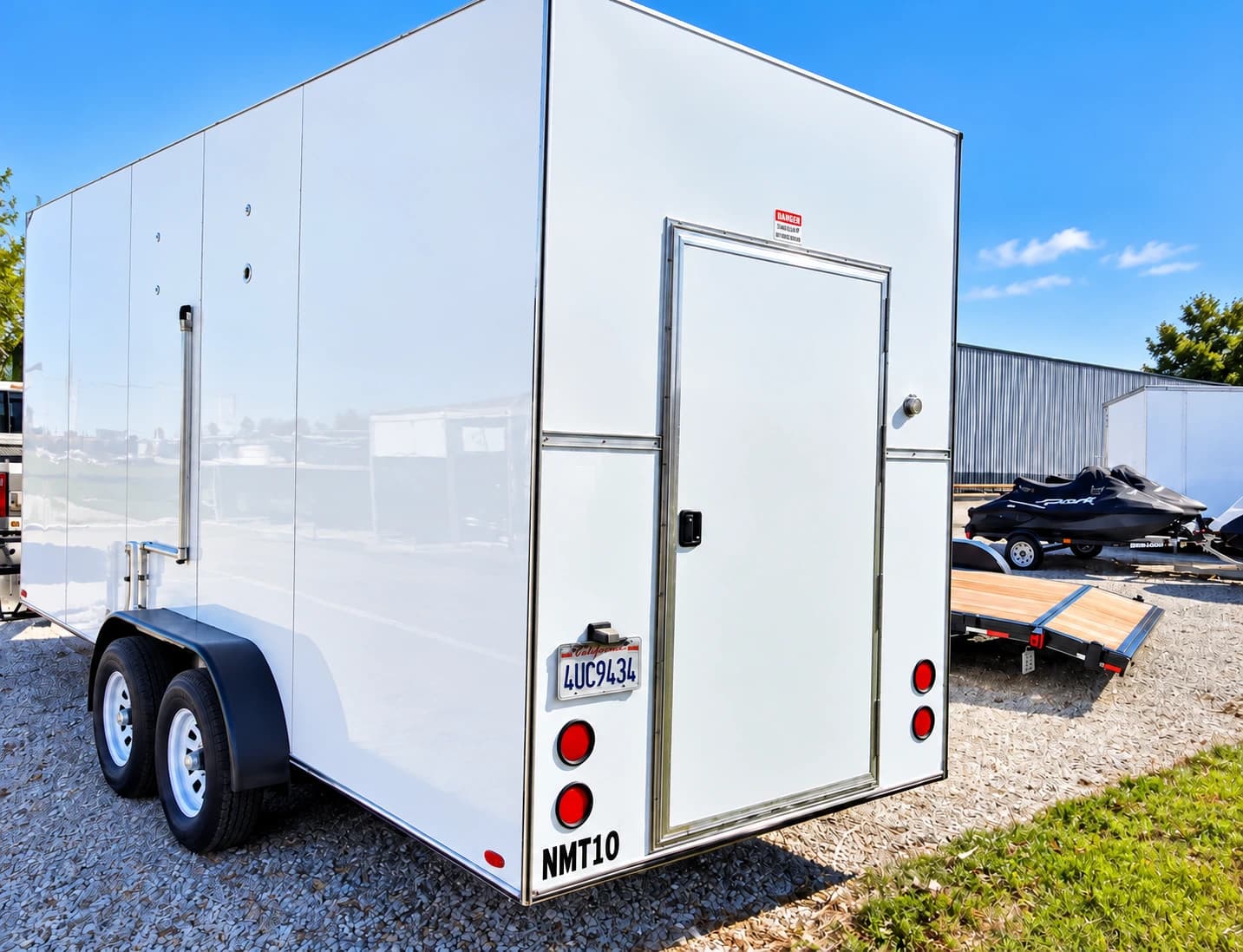
White refrigerated trailer with a rear door parked on a gravel lot
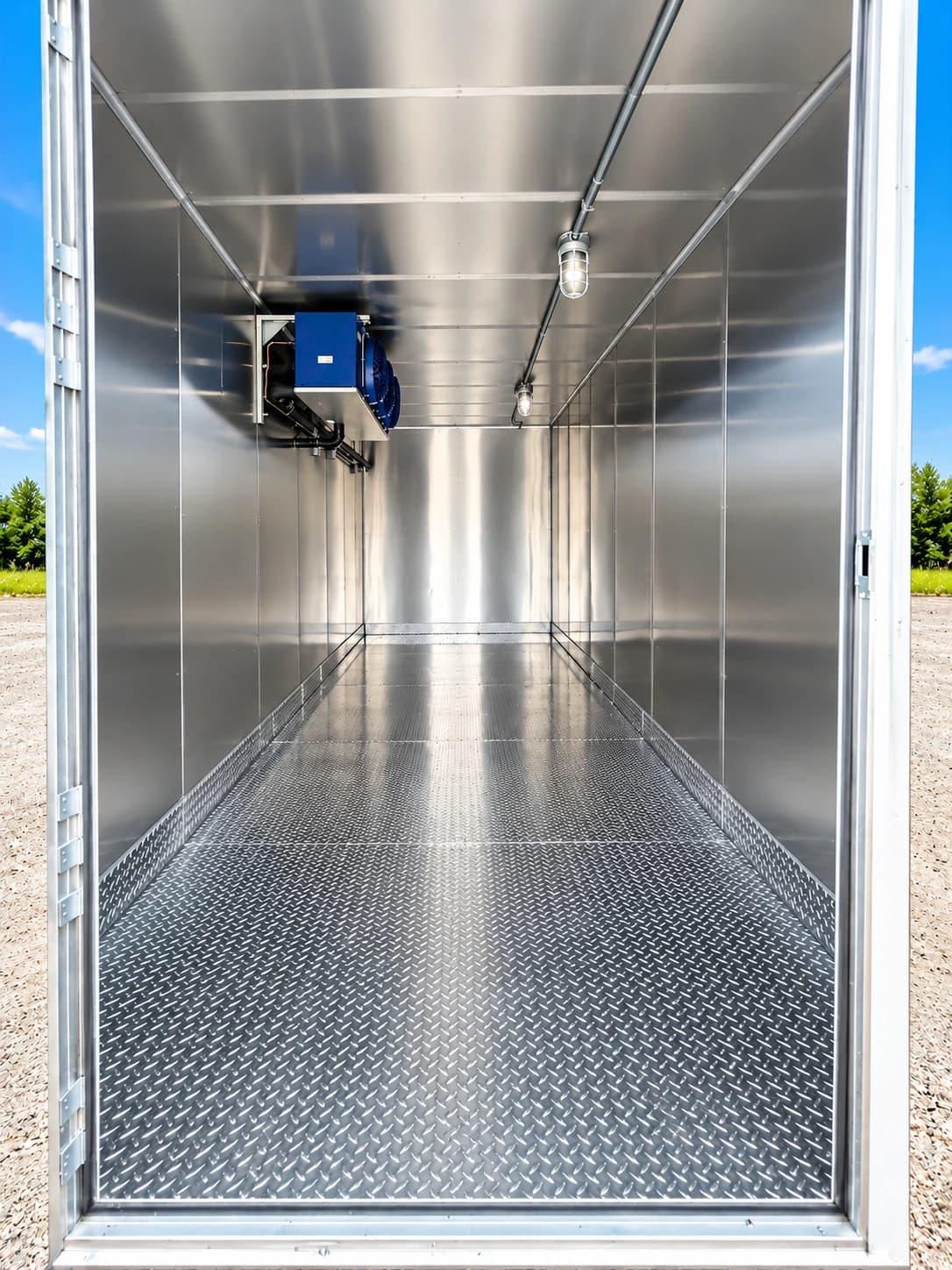
Long stainless steel cold storage interior with a diamond-plate floor and work lights
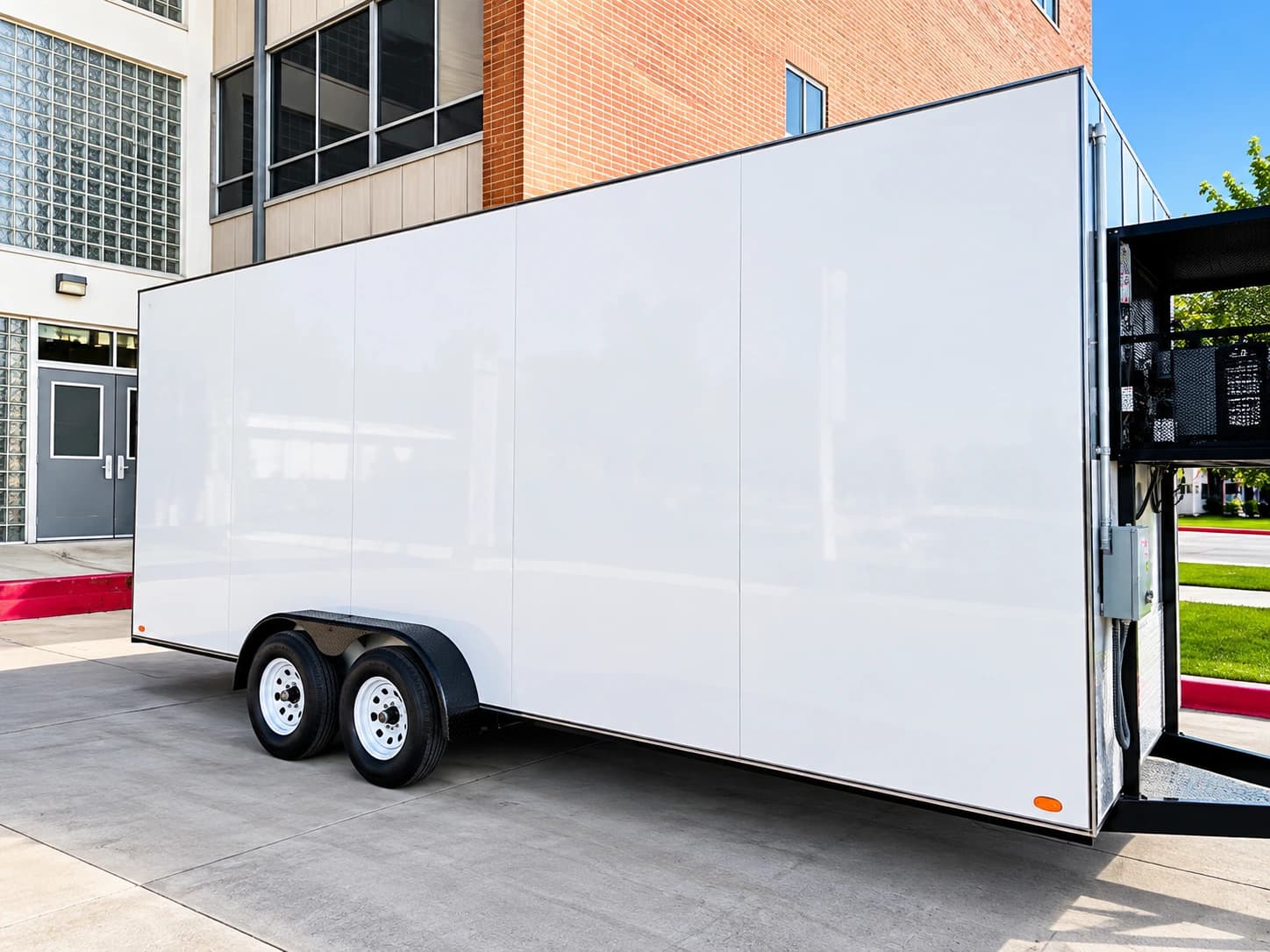
White refrigerated trailer on a paved lot with a power connection panel at the rear

Rental terms at a glance

Rentals run by the week or by the month, with short-term and long-term options, and we answer calls 24 hours a day, 7 days a week. Setup on site takes about 1 hour for a refrigeration unit and about 5 hours for a kitchen or dishwashing trailer; a ramp adds 4 to 6 hours and stairs add 5 to 15 minutes. GPS tracking is possible on request. Delivery, setup, servicing, and minimum terms are confirmed in your quote, and an inquiry does not reserve equipment.

Cold storage down? Call now.

Emergency refrigeration rentals in Connecticut.

If a walk-in cooler or freezer has stopped holding temperature, call now. Tell us your city and state, what failed, how much product is at risk, and what power is on site. Keep doors closed to hold the cold while we work out the right trailer or container for you.

Call 24/7: (888) 385-5513

Frequently asked questions

How do I rent a refrigerated trailer in Connecticut?

Call (888) 385-5513 or send the quote form with the address, what failed, the temperature you need, and the power at your site. We confirm the unit, availability, delivery, and terms in your quote. An inquiry does not reserve equipment.

Which Connecticut cities do you serve?

Service is nationwide, so we serve commercial and industrial customers across Connecticut. We list pages for Bridgeport, Stamford, New Haven, Hartford, Waterbury, and Thompson and 14 more cities and towns. If your site is elsewhere in the state, call and we will confirm.

Can I rent a refrigerated container in Connecticut for a long project?

Yes. A 20 ft or 40 ft refrigerated container suits renovations and seasonal peaks in Connecticut. Rent short term or lease for months, and see the full price rows on each unit page.

Do you rent mobile kitchens and dishwashing trailers in Connecticut?

Yes. When a Connecticut kitchen is down, we rent mobile kitchens and commercial dishwashing trailers to pair with refrigeration.

Who regulates food safety in Connecticut?

Connecticut Department of Public Health, Food Protection Program (https://portal.ct.gov/dph/food-protection-program) is the state agency to start with. Local health departments may add their own rules, so check before placing temporary refrigeration or a temporary kitchen.

What to send for a fast quote

  • The city and state where the unit will sit
  • What failed and how much product is at risk
  • Cooler (32°F) or freezer temperature needed
  • Power available at the site: voltage, phase, and amps
  • Access: gate or door width, surface, and where the unit will be placed
  • How long you expect to need it

Prefer to talk? Call (888) 385-5513 any time.

Request availability and a quote

Need help right now? Call (888) 385-5513. An inquiry does not reserve equipment.

Request availability and a quote

Emergency? Call (888) 385-5513 now, 24 hours a day.

Need help right now? Call (888) 385-5513. An inquiry does not reserve equipment.

Call In 24/7